


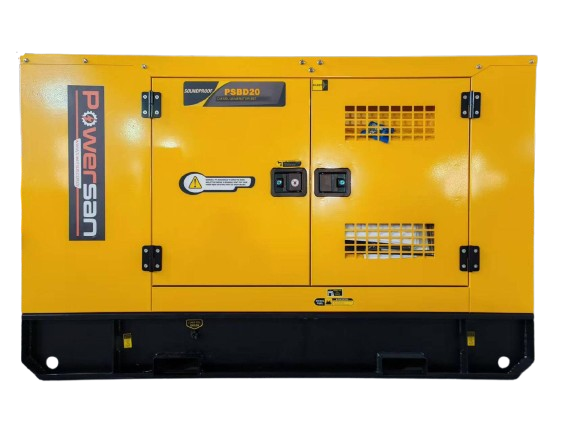
Choosing a generator is not simply about selecting the highest power rating. Fuel type, phase configuration, cooling system, starting method, noise level and intended application all play an important role.
Choosing the right generator ensures reliable and efficient operation while helping to avoid unnecessary costs over the long term.
What Should You Consider When Choosing a Generator?
Before purchasing a generator, consider the following questions:
- What will the generator be used for?
- What is the total electrical load?
- Is diesel, petrol or gas more suitable?
- Do you need a single-phase or three-phase generator?
- Which starting system is appropriate?
- Should you choose air cooling or water cooling?
- How important is the noise level?
- Would an inverter or conventional generator be more suitable?
Petrol, Diesel or Gas Generator?
The engine is one of the most important components of a generator and has a major impact on its performance and service life.
Petrol Generators
Petrol generators are generally more affordable, compact and relatively quiet. They can be a suitable choice for homes, holiday houses, small facilities and short-term backup power requirements.
Some petrol generators can also be adapted to operate with LPG, providing additional flexibility when choosing a fuel source.
Diesel Generators
The main advantages of diesel generators are durability, long service life and suitability for extended operation.
They are often preferred for facilities that require long periods of continuous backup power. However, diesel generators can be more expensive, larger and heavier than petrol models with the same rated output. They may also produce more noise, making sound-insulated enclosures a useful option.
Inverter or Conventional Generator?
Inverter generators use electronic systems to produce cleaner and more stable electrical power.
This can be particularly important for sensitive electronic equipment such as computers, televisions, gas boilers and other electronically controlled devices.
Other advantages of inverter generators include their compact size, lower weight and fuel-saving operating modes that can reduce engine speed when the electrical load is low.
Conventional generators, on the other hand, are available in a wide range of power ratings and can be suitable for equipment requiring higher power output.
How to Calculate the Required Generator Power?
One of the most important steps when choosing a generator is calculating the required power correctly.
First, determine the rated power of all appliances that will be connected to the generator. However, simply adding their rated power may not be enough. Electrical devices with motors can require significantly more power when starting.
Refrigerators, water pumps, air conditioners and certain power tools may require several times their rated power during startup.
A basic calculation can be expressed as:
Required generator capacity = operating load + starting power requirements + power reserve
It is generally advisable not to operate a generator continuously at its maximum rated capacity. Keeping the load around 70–80% of the generator's rated output can provide additional reserve and support more stable operation.
Generator Starting Methods
Generators generally use one of three starting systems.
Manual Start
The generator is started manually using a recoil starter. This method is commonly used on smaller generators.
Electric Start
The generator can be started using a key or button on the control panel. This provides greater convenience, especially with more powerful generators.
Automatic Start with ATS
An automatic transfer switch (ATS) can start the generator automatically when the main power supply fails and stop it once the main power has been restored.
This is particularly useful for homes, businesses and facilities that rely on a generator as an emergency power source.
Single-Phase or Three-Phase Generator?
The choice between single-phase and three-phase power depends on the equipment you intend to connect.
If you are powering only standard 230 V single-phase appliances, a single-phase generator may be sufficient. This type is commonly used for household appliances, televisions, refrigerators and similar equipment.
Three-phase generators are designed for equipment requiring 400 V three-phase power. Certain motors, pumps and industrial machines may require three-phase electricity.
Therefore, choosing a three-phase generator simply because it is more powerful or expensive is not necessarily the right decision. The electrical requirements of the equipment should determine the choice.
Air-Cooled or Water-Cooled?
Air-Cooled Generators
Air-cooled generators generally have a simpler and more compact design. They are commonly used for small and medium power applications.
Water-Cooled Generators
Water-cooled generators are generally designed for higher power output and longer periods of continuous operation.
They can be suitable for large facilities, businesses and applications where a reliable long-term backup power source is required.
Synchronous or Asynchronous Generator?
Synchronous generators provide more stable voltage and can handle the starting currents of motor-driven electrical equipment effectively.
For this reason, they are widely used as backup power sources for homes, offices, holiday houses, construction sites and various facilities.
Asynchronous generators can offer specific advantages in certain applications, including resistance to short circuits and suitability for equipment requiring particular starting-current characteristics.
For most residential applications, a synchronous generator is generally the more practical choice.
Generator Noise Level
Noise is another important factor to consider when selecting and installing a generator.
Diesel generators can be louder than some petrol models. Inverter generators can reduce engine speed when operating under low loads, which can also help reduce noise.
For greater comfort, generators should be installed away from living and working areas. Models with factory-fitted soundproof enclosures can also help minimise noise.
Choosing a Generator Based on Its Application
The intended use of the generator is one of the most important factors in selecting the right model.
For camping and travel: lightweight, compact and quiet inverter generators may be the most suitable option.
For holiday or country houses: medium-power petrol or diesel generators can provide reliable backup power during outages.
For businesses and industrial facilities: powerful diesel generators may be more appropriate when long-term and high-capacity backup power is required.
Conclusion
Selecting the right generator involves much more than looking at its power rating. Fuel type, intended application, electrical load, phase configuration, cooling system, starting method and noise level should all be considered together.
A properly selected generator can help ensure reliable operation, optimise fuel consumption and extend the service life of the equipment it powers.
If you are unsure which generator is right for your needs, start by identifying all the equipment you plan to connect and its power requirements, then consult a qualified professional for an accurate recommendation.
 Fill in the required fields and you will be contacted soon