


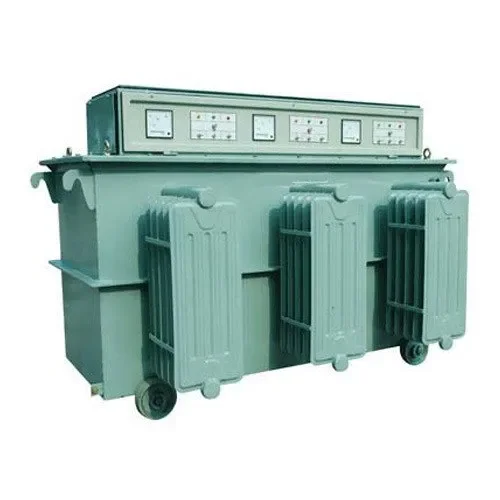
Generator faults can lead to unexpected power interruptions, equipment downtime, and costly repairs. Understanding the main causes of generator problems and knowing how to perform basic checks can help maintain reliable operation.
Petrol and diesel generators, including portable and standby models, can experience various faults. Common problems include starting failures, unstable output voltage, battery issues, and engine overheating.
Identifying these problems early helps extend equipment service life, reduce unexpected downtime, and maintain a dependable power supply.
The Most Common Generator Faults and Their Causes
1. The Generator Won’t Start
A generator may fail to start whether it is used daily or kept as a backup power source. Possible causes include fuel system problems, a discharged battery, loose electrical connections, or faulty engine components.
Fuel system problems
Poor fuel quality can prevent an engine from starting. Petrol can deteriorate during prolonged storage, while diesel fuel may become contaminated and cause problems within the fuel system.
Check that the fuel tank contains sufficient fuel and inspect accessible fuel lines for signs of leaks or blockages. Fuel filters should also be checked regularly.
Portable generators may be particularly affected by fuel deterioration when left unused for long periods. Follow the manufacturer's instructions for fuel storage and draining the system when necessary.
Standby diesel generators may experience starting difficulties due to contaminated fuel, clogged filters, or restricted fuel supply.
Battery problems
Generators that use electric starters depend on a sufficiently charged battery. A discharged battery, corroded terminals, or loose electrical connections can prevent the engine from starting.
Check the battery condition, electrical connections, and charging system. An old battery that can no longer hold sufficient charge may need to be replaced.
Engine checks
In petrol generators, a fouled or worn spark plug can prevent the engine from starting. Diesel generators may experience starting problems due to clogged fuel injectors, fuel supply issues, or faulty glow plugs in models equipped with them.
Check the control panel for warning indicators. An activated emergency stop button or a protective shutdown condition may also prevent the generator from starting.
2. Voltage Fluctuations and Power Output Problems
Stable output voltage is essential for the safe operation of connected equipment. Voltage fluctuations can damage sensitive electronics and interfere with the operation of electric motors.
Faulty voltage regulator
A malfunctioning voltage regulator may cause the generator's output voltage to become too high, too low, or unstable. The regulator and electrical components should be inspected by a qualified technician.
Overloading
Connecting a load that exceeds the generator's rated capacity can cause voltage drops, reduced engine speed, or protective shutdowns. The combined power demand of connected equipment must remain within the generator's operating limits.
Motor starting currents and other temporary increases in power demand should also be considered when calculating the required capacity.
Wiring problems and environmental conditions
Loose connections, damaged cables, and corroded terminals can cause voltage instability and unreliable power delivery.
The generator's operating environment is equally important. Excessive temperatures, moisture, and insufficient ventilation can negatively affect performance. Install the generator in a suitable, dry, well-ventilated location that meets its safety requirements.
3. Generator Battery Failure
Battery problems can affect both portable and standby generators. Backup generators that remain unused for extended periods may experience battery discharge and reduced battery performance.
Age and wear
As a battery ages, its ability to hold a charge gradually decreases. The starter motor may then struggle to turn the engine, or an automatic starting system may fail to operate.
Terminal corrosion
Corrosion on battery terminals can weaken electrical connections. Inspect the terminals regularly and clean them according to the battery manufacturer's safety instructions.
Insufficient charging
Batteries may lose charge when generators remain inactive for long periods. Check the charging system and maintain the battery according to the manufacturer's recommendations.
4. Generator Overheating
Overheating can damage the engine, reduce operating efficiency, and cause unexpected shutdowns. Common causes include cooling system problems, low engine oil, excessive loading, and poor ventilation.
Low coolant levels
In liquid-cooled diesel generators, insufficient coolant can cause the engine temperature to rise. Check coolant levels according to the manufacturer's instructions and use only the recommended coolant.
Clogged radiators and worn components
Dust and debris can obstruct the radiator and restrict airflow, reducing cooling efficiency. Worn components, including water pumps, thermostats, and hoses, can also contribute to overheating.
Inspect the radiator and cooling system regularly, and replace damaged components when necessary.
Engine oil levels and ventilation
Low engine oil levels can increase friction and operating temperatures. Check the oil level and inspect for leaks as part of routine maintenance.
Poor ventilation can also cause overheating, particularly when a generator operates in an enclosed or restricted space. Maintain sufficient airflow and follow the manufacturer's installation requirements.
How to Prevent Generator Faults
Regular maintenance is essential for reliable generator operation. Checking fuel and oil levels, inspecting filters, testing the battery, and keeping the cooling system clean can help reduce the risk of failure.
If a generator is kept as a backup, its readiness should be checked periodically. Test runs should be performed according to the manufacturer's instructions.
The generator must also be correctly sized for the connected loads. Pay attention to warning indicators and address developing problems before they lead to major failures.
Conclusion
Starting failures, voltage fluctuations, battery problems, and overheating are among the most common generator faults. Identifying these issues early can extend equipment service life and help maintain a reliable power supply.
Proper operation, regular maintenance, and compliance with safety requirements reduce the risk of unexpected shutdowns. If a problem cannot be resolved through basic checks or requires work on electrical, fuel, or engine systems, consult a qualified technician.
 Fill in the required fields and you will be contacted soon