


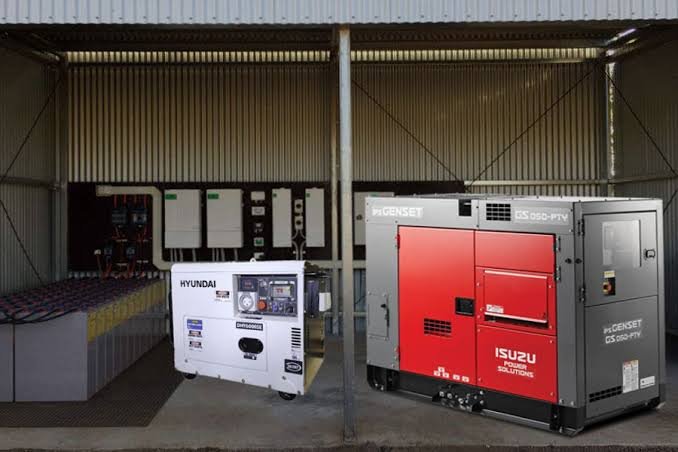
A prime power generator is a standard generator set used as the primary power source for the equipment it supplies. Generators designed for prime power applications can operate for extended periods, even 24 hours a day if required, provided that the load varies between 50% and 100% of the generator’s rated prime power.
Ideally, a generator should not operate below 50% of its rated prime load for extended periods. This condition is known as low loading in the industry. Low loading should be avoided whenever possible because it can prevent the engine from burning fuel efficiently. As a result, unburnt fuel and soot may accumulate in the exhaust system, reducing efficiency and potentially damaging the generator.
If a diesel generator has been operating under low-load conditions for extended periods, it is recommended to have the generator tested annually using a load bank.
When a temporary increase in power demand occurs, some prime-rated generators can operate at their higher standby rating for a limited period, typically up to one hour in any 12-hour period, subject to the manufacturer's specifications. However, the standby rating represents the maximum power output permitted under those operating conditions.
Standby Power Rating
A standby or emergency power generator is installed at a fixed location to provide backup electricity during a power outage. Although prime and standby generators serve different purposes, many generator models can be used for either application, depending on their specifications.
For generators rated for both prime and standby applications, the standby power rating is typically higher than the prime power rating. This is because the generator is designed to operate continuously at its rated prime power under the specified conditions, while it may provide additional power up to its standby rating for a limited period, typically one hour in any 12-hour period.
Standby generators are primarily intended to supply essential equipment and services during temporary power interruptions while the main electricity supply is being restored.
When connected to an Automatic Transfer Switch (ATS), a standby generator can automatically start when a power outage is detected and stop once the main electricity supply has been restored, depending on the system configuration.
Standby generators are becoming increasingly popular because storms and severe weather conditions can cause unexpected power outages in residential, commercial, and industrial settings. These generators are often selected for applications requiring approximately 200–250 operating hours per year, although actual usage depends on the site and the frequency of power interruptions.
Backup generators are particularly important for critical facilities such as hospitals and data centers, where an interruption in electricity supply can have serious consequences. Other common applications include homes, offices, commercial buildings, and industrial facilities.
The Difference Between Prime and Continuous Power
The main difference between prime and continuous power ratings lies in the load conditions under which a generator is designed to operate.
Prime Power: Designed for operation over an unlimited number of hours under variable load conditions, within the manufacturer's specified operating limits.
Continuous Power: Designed to supply a constant load for extended periods without a defined limit on operating hours, within the manufacturer's specified conditions.
If your application requires a constant and uninterrupted power supply, it is important to consider the generator's continuous power rating when selecting equipment. For multipurpose generators, the continuous power rating is typically lower than the prime power rating.
Conclusion
Choosing the right generator requires careful consideration of its intended application, power requirements, load characteristics, and expected operating hours. Understanding the differences between prime, standby, and continuous power ratings helps businesses and individuals select suitable equipment, maintain a reliable power supply, and extend the generator's service life.
Always consult the manufacturer's specifications to ensure that the generator is operated within its rated capacity and recommended operating conditions.
 Fill in the required fields and you will be contacted soon