


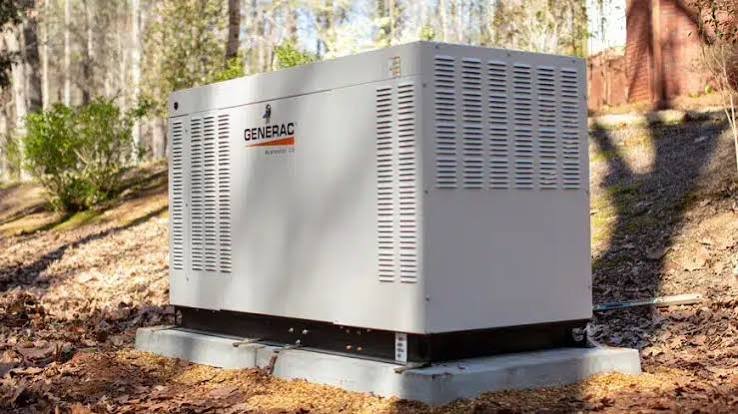
When it comes to protecting your business or property from unexpected power outages, investing in a high-quality generator is essential. However, purchasing a generator alone is not enough. Regular maintenance is crucial to ensure that your backup power system remains reliable and ready to operate whenever needed.
Generators often remain unused for extended periods, yet they are expected to start immediately and perform reliably during emergencies. Neglecting maintenance can lead to unexpected breakdowns, costly repairs, equipment damage, and potential safety hazards.
Even minor issues, such as a clogged filter or a corroded battery terminal, can prevent a generator from starting or reduce its performance. Regular maintenance helps identify these problems early and ensures that your generator is prepared to provide reliable power when it matters most.
In this article, we will explore the importance of regular generator maintenance, the warning signs that indicate your generator needs attention, and the essential tasks included in a typical maintenance schedule.
Why Is Regular Generator Maintenance Important?
1. Ensures Reliability During Emergencies
Regular generator servicing helps ensure that your equipment operates correctly when an unexpected power outage occurs. Maintenance involves inspecting critical components, including the battery, fuel system, filters, oil levels, and electrical connections.
A neglected component can lead to system failure when backup power is needed most. Reliable operation means more than simply starting the generator; it also requires safe, efficient, and consistent performance throughout the required operating period.
Routine inspections help ensure that all components work together effectively to deliver dependable backup power.
2. Prevents Expensive Repairs
Minor mechanical or electrical problems can develop into major failures if they are not addressed promptly. Regular maintenance helps identify and resolve these issues before they result in costly repairs or premature equipment replacement.
For example, replacing a damaged alternator or repairing a major engine component can be significantly more expensive than tightening a loose connection or replacing a dirty filter.
Preventive maintenance reduces the risk of unexpected breakdowns, helps control repair costs, and protects your investment over the long term.
3. Extends Equipment Lifespan
Like any mechanical equipment, generators require proper care to maintain their performance and durability. Regular oil changes, filter replacements, and thorough inspections help reduce wear and tear on the engine and other components.
With appropriate servicing, many generators can operate reliably for years, depending on their design, workload, and operating conditions.
Extending equipment lifespan also reduces the likelihood of premature replacement and helps businesses maximize the return on their investment.
4. Improves Fuel Efficiency
Dirty air filters, degraded engine oil, and clogged fuel injectors can reduce generator efficiency and increase fuel consumption.
Routine maintenance helps keep the engine and fuel system in good working condition. Cleaning or replacing filters, inspecting fuel components, and following the manufacturer's maintenance recommendations can improve performance and reduce unnecessary fuel use.
For businesses operating large commercial or industrial generators, even modest improvements in fuel efficiency can contribute to meaningful long-term savings.
5. Enhances Health and Safety
Generators, particularly diesel models, produce heat and exhaust emissions during operation. Faulty exhaust systems, fuel leaks, and damaged electrical connections can create serious safety risks.
Regular inspections help identify hazards before they become more dangerous. For example, exhaust leaks can expose people to carbon monoxide, while damaged wiring can increase the risk of electrical faults or fires.
Maintenance should include appropriate checks of the exhaust system, ventilation, fuel lines, and electrical components to help protect both personnel and equipment.
6. Supports Insurance and Regulatory Compliance
Businesses may be required to maintain generator servicing records to satisfy applicable insurance conditions, industry standards, or regulatory requirements.
Failure to maintain equipment properly can create compliance issues and may affect insurance coverage, depending on the applicable policy and regulations.
Keeping maintenance logs, inspection records, and service reports helps demonstrate that the equipment has received appropriate attention. Businesses should verify the specific requirements relevant to their industry and location.
7. Provides Peace of Mind
Knowing that your generator has been properly maintained provides confidence that it will be ready when needed.
This is particularly important in hospitals, data centres, manufacturing facilities, and other environments where power interruptions can have serious consequences.
Scheduled maintenance reduces uncertainty, minimizes the likelihood of unexpected failures, and allows businesses to plan their operations more effectively.
8. Protects Connected Electrical Equipment
A generator supplies power to other electrical systems and devices, making its performance important to the entire installation.
Voltage fluctuations, unstable frequency, or phase imbalances can affect sensitive equipment, potentially causing malfunctions, data loss, or equipment damage.
Regular inspections and appropriate electrical testing help verify that the generator operates within the required specifications. This protects not only the generator itself but also the electrical infrastructure and equipment that depend on it.
Power outages are unpredictable, but businesses can prepare for them. Treating a generator as a critical asset and investing in regular professional maintenance helps improve operational continuity, reduce downtime, and protect valuable equipment.
Signs Your Generator Needs Maintenance
Although scheduled servicing is one of the most effective ways to prevent breakdowns, certain warning signs may indicate that your generator requires immediate attention.
If you notice any of the following issues, contact a qualified technician.
Difficulty Starting
If your generator struggles to start or the engine cranks more slowly than usual, the problem may involve the battery, fuel supply, starter motor, or electrical connections.
Identifying the cause early can help prevent a complete starting failure during an emergency.
Unusual Noises
Knocking, sputtering, grinding, or other unusual noises during operation may indicate internal wear, fuel injection problems, loose components, or mechanical damage.
Unusual sounds should be investigated promptly to prevent further deterioration.
Excessive Smoke
White, blue, or black exhaust smoke can indicate different engine or fuel-system problems.
Depending on the circumstances, possible causes include coolant entering the combustion chamber, oil burning, incomplete fuel combustion, or incorrect fuel injection.
Persistent or excessive smoke should be inspected by a qualified technician.
Visible Leaks
Oil, coolant, or fuel leaks require prompt attention. These problems can affect generator performance and create environmental or safety hazards.
If a significant fuel leak or another dangerous condition is detected, shut down the equipment if it is safe to do so and arrange for professional inspection.
Dashboard Warning Lights
Modern generators often include control panels with diagnostic indicators and fault codes.
Warning lights may signal low oil pressure, high engine temperature, charging-system problems, or other operating abnormalities. Always consult the manufacturer's manual to determine the appropriate response.
Inconsistent Power Output
Flickering lights, unexpected equipment resets, or unstable operation may indicate irregular voltage, frequency variations, excessive loading, or electrical-system problems.
Professional testing can help identify the source of the issue and determine whether the generator is supplying power within the required limits.
Overheating
Generator overheating may result from low coolant levels, a blocked radiator, restricted airflow, a malfunctioning cooling system, or excessive load.
Continued operation under overheating conditions can cause serious engine damage. The cause should be identified and corrected before the generator returns to service.
Increased Fuel Consumption
A noticeable increase in fuel consumption may indicate reduced engine efficiency, clogged filters, fuel-system problems, or changes in operating load.
Monitoring fuel usage and comparing it with previous operating conditions can help identify developing problems.
Recognizing these warning signs early helps reduce the risk of major breakdowns and improves the likelihood that your generator will operate reliably when backup power is required.
What Does Generator Maintenance Include?
The exact maintenance requirements depend on the generator's make, model, operating hours, workload, and environmental conditions. However, a typical maintenance schedule includes the following tasks.
1. Visual Inspection
A comprehensive visual inspection helps identify fuel or oil leaks, corrosion, worn belts, damaged hoses, loose connections, and other visible problems.
Detecting these issues early allows technicians to address them before they lead to more serious failures.
2. Oil and Filter Changes
Engine oil lubricates moving components, reduces friction, and helps protect the engine from excessive wear.
Oil and filter changes should be performed according to the manufacturer's recommendations and the generator's operating conditions.
Some generators require servicing at intervals of approximately 100–200 operating hours or annually, but the correct interval varies by model and usage. Always follow the manufacturer's specified schedule.
3. Fuel System Inspection
Fuel-system maintenance includes checking fuel quality, inspecting fuel lines and connections, and examining fuel filters for contamination or blockage.
Where applicable, technicians may also check for water in the fuel tank and address contamination according to the manufacturer's procedures.
Proper fuel-system maintenance supports reliable starting, efficient combustion, and consistent generator performance.
4. Battery Maintenance
A weak or discharged battery is a common reason why a generator fails to start.
Battery maintenance typically involves checking voltage and charging performance, inspecting terminals, cleaning corrosion, and verifying that electrical connections are secure.
If the battery cannot maintain an adequate charge or no longer performs reliably, replacement may be necessary.
5. Cooling System Inspection
The cooling system prevents the engine from reaching dangerously high temperatures.
Maintenance includes checking coolant levels, inspecting the radiator, examining hoses for leaks or damage, and ensuring that airflow is not obstructed.
Coolant should be topped up or replaced in accordance with the manufacturer's recommendations.
6. Air Filter Replacement
Air filters prevent dust, dirt, and other contaminants from entering the engine.
When a filter becomes clogged, airflow may be restricted, reducing engine performance and potentially increasing fuel consumption.
Filters should be inspected, cleaned where permitted, or replaced according to the manufacturer's instructions and the operating environment.
7. Load Bank Testing
Load bank testing evaluates a generator's ability to operate under a controlled electrical load.
During the test, technicians apply a specified load to assess the generator's performance, verify its ability to meet operating requirements, and identify potential issues that might not appear during light-load operation.
This test can be particularly useful for standby generators that operate infrequently or spend extended periods under low loads.
8. Exhaust System Inspection
The exhaust system should be checked for cracks, corrosion, blockages, damaged connections, and signs of leakage.
A properly functioning exhaust system helps direct harmful gases away from occupied areas and supports safe generator operation.
Any suspected exhaust leak should be addressed promptly because of the risk of carbon monoxide exposure.
9. Control Panel Diagnostics
The control panel is responsible for monitoring operating conditions and displaying warnings or fault codes.
Diagnostic checks may include reviewing error messages, testing relevant sensors, inspecting control connections, and checking software updates where applicable.
These checks help technicians identify problems that could affect starting, monitoring, or automatic operation.
10. Lubrication of Moving Parts
Where required by the generator's design, moving components should be lubricated according to the manufacturer's instructions.
Appropriate lubrication reduces friction, limits wear, and supports reliable mechanical operation.
Not every component requires additional lubrication, so technicians should follow the specified procedures and use the recommended lubricants.
Conclusion
Regular generator maintenance is essential for reliable performance, efficient fuel consumption, and long-term equipment durability. By inspecting critical components, replacing oil and filters on schedule, monitoring the fuel and cooling systems, and addressing warning signs promptly, businesses can reduce the risk of unexpected breakdowns and costly repairs.
For companies that depend on uninterrupted power, preventive maintenance is an important part of operational planning. A properly maintained generator is more likely to deliver reliable backup power when it is needed most.
Abşeron Makina MMC provides generator and voltage stabilizer sales, spare parts, filters, generator rental, and technical service solutions. Choosing suitable equipment and maintaining it according to the manufacturer's recommendations can help businesses protect their investment and maintain reliable power supply.
 Fill in the required fields and you will be contacted soon