


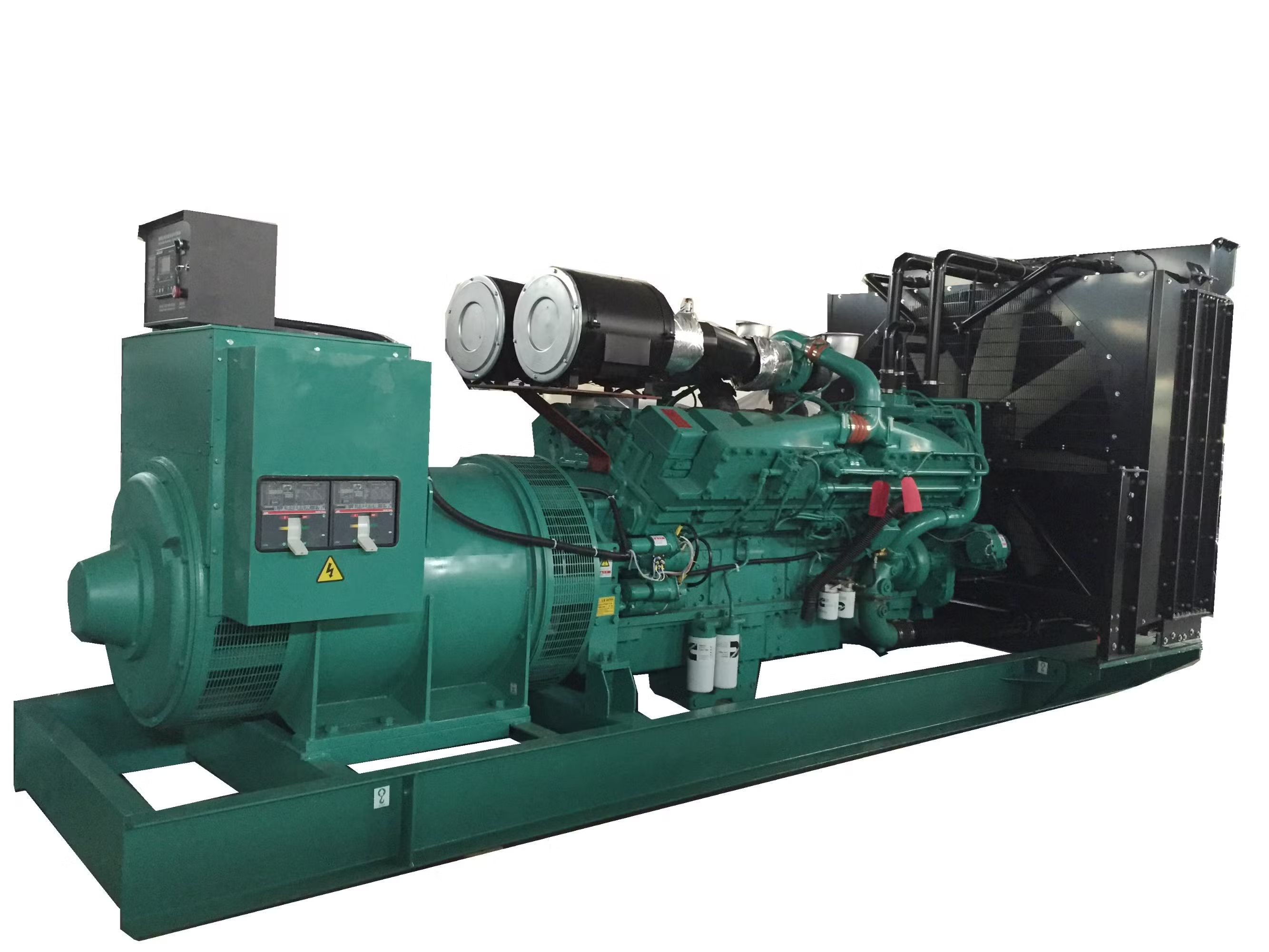
Understanding the factors that affect fuel consumption in diesel generators is essential for reducing operating costs and improving energy efficiency. Generator load, engine condition, and environmental conditions can directly influence the amount of fuel consumed.
Proper fuel consumption management helps generators operate more efficiently, optimizes maintenance costs, and extends equipment service life. This article examines the main factors affecting fuel consumption in diesel generators and practical methods for reducing it.
1. Generator Load Level
One of the main factors affecting diesel generator fuel consumption is the load under which it operates. The electrical load represents the proportion of the generator’s rated power that is being used.
Load Size
Diesel generators generally operate more efficiently when they run within their intended operating range and at an appropriate load level. When a generator operates at a very low load for extended periods, fuel consumption per kilowatt-hour of electricity produced may increase because of internal engine friction and the operation of auxiliary systems.
For example, a 1,000 kW generator operating at a 200 kW load may consume more fuel per kilowatt-hour of electricity produced. However, the generator’s total fuel consumption generally increases as the load rises. Therefore, when evaluating efficiency, it is important to consider not only hourly fuel consumption but also the amount of fuel consumed per unit of electricity generated.
Ways to reduce fuel consumption:
Select a generator that matches the facility’s actual energy requirements.
Ensure that the equipment operates within the load range recommended by the manufacturer.
Avoid prolonged operation at very low loads whenever possible.
If energy demand varies, consider a generator model with an appropriate power rating.
Choosing a generator with the correct power rating helps optimize fuel consumption and improves overall operating efficiency.
2. Engine Condition
The technical condition of a generator’s engine is one of the key factors directly affecting fuel consumption. Without timely maintenance, engine components may become worn or develop faults. These problems can reduce combustion efficiency and increase fuel consumption.
Engine Condition and Component Wear
Pistons, cylinder walls, fuel injectors, and valves all play important roles in proper engine operation.
Piston and cylinder wall wear
Wear on these components can reduce compression and prevent fuel from burning completely. As a result, engine power may decrease and fuel efficiency may deteriorate.
Fuel injector condition
Dirty or faulty injectors can interfere with proper fuel atomization. This may impair combustion, contribute to soot and carbon deposits in the engine, and increase fuel consumption.
Loss of valve sealing
If valves do not close properly, compression loss may occur inside the cylinders. This can negatively affect engine power and fuel consumption.
Ways to reduce fuel consumption:
Maintain the generator according to the manufacturer’s service schedule.
Inspect fuel injectors regularly and clean or replace them when necessary.
Identify signs of wear on pistons, cylinders, and valves in a timely manner.
Arrange a technical diagnostic inspection if you notice power loss, unusual exhaust smoke, or increased fuel consumption.
Regular maintenance helps preserve combustion efficiency and prevent unexpected equipment failures.
Engine Power and Displacement
Engine power and displacement also affect fuel consumption. Higher-powered engines generally consume more fuel when supplying larger electrical loads. However, actual consumption also depends on engine efficiency and the load under which the generator operates.
Choosing an oversized generator for a facility with low energy demand can cause the equipment to run at a low load, reducing fuel efficiency.
Ways to reduce fuel consumption:
Determine the generator’s power rating according to the facility’s actual energy requirements.
Consider both continuous and peak power demands when selecting a generator.
Compare fuel-efficiency figures and the manufacturer’s technical specifications.
If higher output is required, choose an engine model that operates efficiently under the expected load conditions.
3. Environmental Conditions
The environment in which a diesel generator operates can also affect fuel consumption. Temperature, altitude, and air conditions are among the main factors influencing engine performance and cooling-system operation.
The Effect of Temperature
Both low and high temperatures can affect a generator’s operating conditions.
Low temperatures
In cold weather, diesel fuel may become less fluid, engine oil may thicken, and starting the engine may become more difficult. As a result, additional energy may be required during startup, and fuel consumption may increase until the engine reaches its normal operating temperature.
High temperatures
In hot weather, the cooling system may need to work harder to maintain the engine at a normal temperature. In addition, lower air density can reduce the amount of oxygen entering the engine, potentially affecting combustion efficiency.
Ways to reduce temperature-related problems:
In cold conditions, use engine preheating systems recommended by the manufacturer.
Inspect the cooling system regularly.
Keep the radiator and air intakes clean.
Install the generator in a well-ventilated location that meets its operating requirements.
Use additional cooling equipment only when technically necessary.
The Effect of Altitude
As altitude above sea level increases, air density and oxygen availability decrease. This can reduce engine power and affect combustion efficiency, particularly in naturally aspirated diesel engines.
Under these conditions, the generator’s rated power may differ from the power it can actually deliver. As a result, supplying the same electrical load may place the engine under greater strain.
Ways to reduce the impact of altitude:
Consider the installation site’s altitude when selecting a generator.
Check the manufacturer’s power derating specifications for altitude and temperature.
If necessary, choose a generator designed to operate at high altitudes.
Adjust the engine’s fuel system only in accordance with the manufacturer’s technical instructions.
Turbocharging can reduce the effects of high altitude in some engines, but the results are not the same for every generator model.
Air Humidity
Air humidity is another environmental factor that can affect engine performance. Under certain conditions, high humidity can change the properties of the intake air. However, its effect on diesel generator fuel consumption is generally more limited than that of load level, temperature, and engine condition.
Ways to minimize its impact:
Ensure that the generator’s air intakes remain clear and clean.
Inspect and replace the air filter according to the manufacturer’s recommendations.
Follow ventilation and moisture-protection requirements at the installation site.
Protect the generator’s electrical and control components appropriately in humid environments.
Reducing generator fuel consumption requires more than focusing on a single factor. Proper load selection, maintaining engine condition, and accounting for environmental conditions work together to improve operating efficiency.
Conclusion
Fuel consumption in diesel generators primarily depends on load level, engine condition, correct generator sizing, and environmental conditions.
To optimize fuel costs, it is important to select a generator that meets actual energy requirements, perform maintenance on time, and follow the manufacturer’s operating instructions.
Proper operation and regular maintenance help ensure reliable generator performance, improve fuel efficiency, and reduce unexpected repair costs.
 Fill in the required fields and you will be contacted soon