


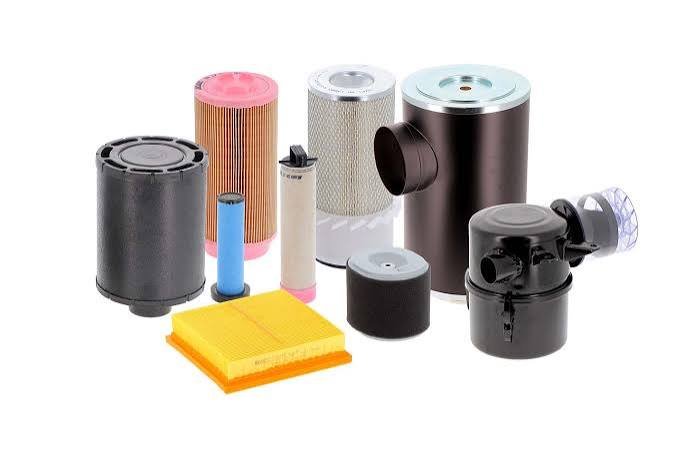
Why Are These Parts Important for a Diesel Generator?
Air filters, fuel filters, including water separators, and oil filters are essential components that play an important role in the operation and performance of a diesel generator.
For a diesel generator to operate at maximum efficiency, it is important to use the correct supporting components and maintain them properly. Choosing the right filters for the specific generator can help ensure reliable operation and prevent unnecessary damage.
Using the correct air, fuel, and oil filters is essential. Genuine and manufacturer-approved parts are generally recommended to maintain the generator's performance and reliability.
With proper maintenance, a diesel generator can have a significantly longer service life. Regular filter replacement can help prevent costly repairs and reduce long-term operating expenses.
In this article, we will explain the functions of air, fuel, and oil filters, their importance, and the key factors to consider when maintaining a diesel generator.
Air Filters
Air filters are essential for maintaining the proper operation of a diesel generator.
Diesel generators require outside air for the combustion process. However, outdoor air can contain dust, sand, pollen, and other contaminants that should not enter the engine.
The air filter removes these particles before the air reaches the combustion chamber. As the filter becomes increasingly dirty, its ability to capture contaminants decreases.
When an air filter reaches its maximum dirt-holding capacity, contaminated particles may pass through it and enter the engine.
If the filter is not replaced according to the recommended maintenance schedule, the generator may become less efficient and fuel consumption may increase.
Therefore, air filters play an important role in protecting the diesel engine and extending the generator's service life by allowing clean air to enter the combustion system.
Air filters have a limited service life and should be replaced after the recommended number of operating hours. Using a genuine or manufacturer-approved replacement filter is recommended.
Depending on the generator model and operating conditions, an air filter may require replacement after approximately 500 operating hours. However, the exact replacement interval should always be based on the manufacturer's maintenance recommendations.
Although non-genuine filters may be less expensive, poor-quality filters may not provide adequate filtration. They can affect the air-fuel ratio and contribute to poor engine performance and increased fuel consumption.
As a result, choosing a high-quality filter can help reduce operating costs and protect the engine from unnecessary damage.
Fuel Filters
Fuel filters prevent dust, dirt, and other harmful contaminants from entering the diesel engine.
Without proper fuel filtration, impurities can reach sensitive components such as fuel pumps and injectors. This can negatively affect engine performance and may lead to costly repairs.
Each diesel generator is designed to work with a specific type of fuel filter. Using an incorrect filter may result in inadequate filtration or improper fuel flow.
The correct fuel filter can usually be identified using the part number specified by the generator manufacturer.
A fuel filter may typically need to be replaced after around 500 operating hours, although the exact interval depends on the generator model, fuel quality, operating conditions, and manufacturer's recommendations.
Replacing a fuel filter is generally a straightforward maintenance procedure, but appropriate safety precautions must always be followed.
Using a genuine or manufacturer-approved replacement fuel filter is important for maintaining proper fuel filtration and protecting the generator's fuel system.
The maintenance documentation supplied with a diesel generator usually specifies the recommended service intervals and replacement parts. Following these recommendations helps ensure reliable and efficient generator operation.
Oil Filters
The oil filter plays a central role in maintaining clean engine oil and protecting internal engine components.
Engine oil continuously circulates through the engine, lubricating moving parts and reducing friction. During this process, the oil collects dirt, metal particles, and other contaminants.
The oil filter captures these particles and helps keep the oil clean as it circulates through the engine.
When engine oil becomes heavily contaminated, it can become thicker and more abrasive. A clogged oil filter may activate a bypass or relief valve, allowing unfiltered oil to circulate through the engine.
This can increase friction between internal components and accelerate wear.
Like air and fuel filters, oil filters should be replaced according to the manufacturer's recommended maintenance schedule.
Low-quality or counterfeit oil filters should be avoided because they may provide inadequate filtration or cause oil leakage and other engine problems.
Using the correct, high-quality oil filter helps maintain proper lubrication, protect engine components, and extend the service life of the diesel generator.
General Safety Precautions
When replacing filters on a diesel generator, always follow the appropriate safety procedures:
Make sure the engine is completely switched off.
Check the generator's control panel and ensure that the emergency stop system and battery isolator are properly switched off or isolated.
Keep loose objects away from the engine. Diesel engines can create strong suction, and small objects such as nuts, bolts, or tools can potentially be pulled toward moving engine components.
Allow hot engine components to cool down before performing maintenance.
Follow the manufacturer's maintenance instructions when replacing filters.
Summary
Proper maintenance of fuel, air, and oil filters provides several important benefits:
Improved generator performance
Longer diesel generator service life
Reduced fuel consumption
Better engine protection
Lower maintenance and repair costs
Reduced emissions
Using genuine or manufacturer-approved parts can help maintain the reliability and efficiency of a diesel generator.
Regularly replacing filters according to the manufacturer's recommended maintenance schedule helps prevent contamination, protect critical engine components, and extend the generator's operating life.
A complete service and maintenance kit can also make routine maintenance easier by providing the necessary replacement parts and service information.
For the best results, always follow the generator manufacturer's maintenance schedule and use filters that are specifically designed for your generator model.
 Fill in the required fields and you will be contacted soon