


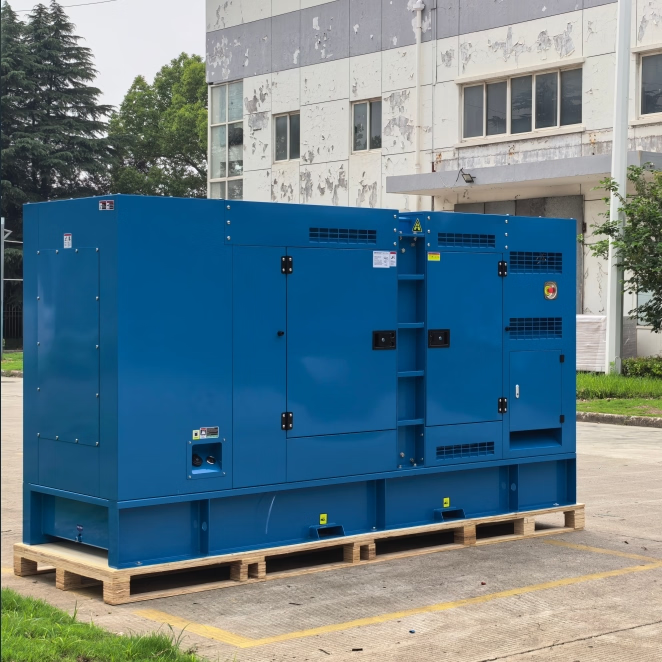
The reliable and long-term operation of a diesel generator depends not only on the quality of the equipment but also on proper and timely maintenance. Filters are essential components of a diesel engine because they help keep the air, fuel, and lubrication systems free from harmful contaminants.
Failure to clean or replace filters on time can reduce generator performance, increase fuel consumption, accelerate engine wear, and lead to serious mechanical and technical problems.
The Main Role of Filters in Diesel Generators
Diesel generators commonly use air filters, fuel filters, and oil filters. Each filter protects a specific engine system from dust, dirt, metal particles, moisture, and other contaminants.
Air Filter
The air filter cleans the air entering the engine. A sufficient supply of clean air is essential for proper combustion.
When an air filter becomes clogged, the amount of air entering the engine decreases. As a result, combustion efficiency may be affected, engine power can decrease, fuel consumption can increase, and excessive exhaust smoke may appear.
Long-term operation with a dirty air filter can also accelerate the wear of cylinder walls, piston rings, intake and exhaust valves, and other engine components.
Why Is Timely Fuel Filter Replacement Important?
Diesel fuel may contain water, dust, sediment, and other contaminants due to storage, transportation, or handling conditions. The fuel filter helps prevent these impurities from entering the engine's fuel system.
If the fuel filter is not replaced regularly, it can become clogged and restrict fuel flow. This may result in insufficient fuel supply and reduced engine performance.
Contaminated fuel can also accelerate the wear of precision components such as fuel injection pumps and injectors. Repairing or replacing these components can be considerably more expensive than replacing a filter on time.
The Importance of the Oil Filter
The oil filter removes metal particles, deposits, and other contaminants from engine oil, helping protect the internal components of the engine.
Failure to replace the oil filter on time can reduce proper oil circulation and may result in insufficient lubrication of moving components. Prolonged operation under these conditions can accelerate engine wear and reduce its service life.
What Problems Can Occur When Filters Are Not Replaced on Time?
Poor filter maintenance can cause a number of problems during generator operation, including:
- Reduced engine power
- Increased fuel consumption
- Difficult engine starting
- Unstable engine operation
- Excessive exhaust smoke
- Increased engine temperature
- Fuel system blockage
- Accelerated wear of injectors and fuel pumps
- Premature wear of engine components
- Unexpected generator shutdowns
These problems can reduce generator efficiency and may also result in unplanned repair costs and operational downtime.
Common Signs of a Dirty or Clogged Filter
Certain changes in generator performance may indicate that a filter needs to be inspected or replaced.
Difficult starting, loss of engine power, increased fuel consumption, unstable operation, and excessive exhaust smoke may be associated with clogged or ineffective filters.
However, these symptoms can also be caused by other technical problems. Therefore, professional inspection and diagnostics are recommended before determining the exact cause.
How Should Generator Filters Be Maintained?
To ensure reliable and long-term generator operation, filters should be inspected and replaced according to an appropriate maintenance schedule.
The following practices are recommended:
- Regularly inspect the condition of the air filter.
- Replace the fuel filter according to the manufacturer's recommended service interval.
- Replace engine oil and the oil filter as part of scheduled maintenance.
- Keep the fuel tank clean.
- Use quality fuel and suitable filter elements.
- Replace damaged or worn filter connections when necessary.
- Consider the generator's operating conditions and load when determining maintenance intervals.
What Are the Benefits of Timely Filter Replacement?
Regular filter replacement helps maintain stable generator performance and protects the engine's key components. Proper filter maintenance can also contribute to optimized fuel consumption, reduced risk of technical failures, and a longer equipment service life.
Timely maintenance is particularly important for generators used at construction sites, manufacturing facilities, hospitals, commercial buildings, and other locations where uninterrupted power supply is essential.
Conclusion
Filters may be relatively small components, but they play a critical role in the reliable operation of a diesel generator. Regular inspection and timely replacement of air, fuel, and oil filters help maintain engine performance, reduce component wear, and prevent unexpected failures.
Delaying filter maintenance may appear to reduce costs in the short term, but it can lead to more serious and expensive failures in the long run. For this reason, filter replacement should be considered an essential part of every diesel generator's regular maintenance program.
 Fill in the required fields and you will be contacted soon