


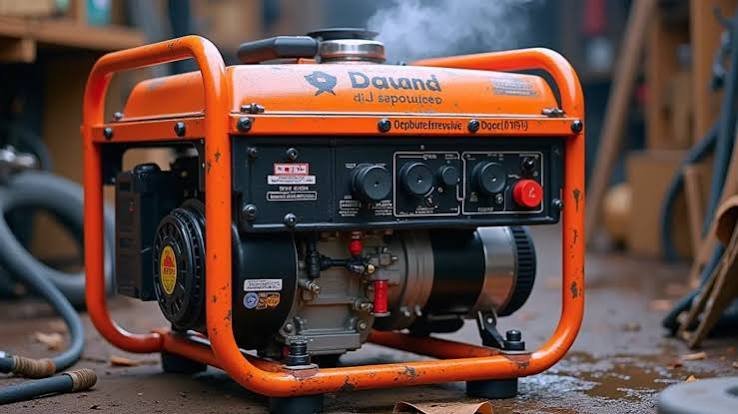
In situations where reliable access to electricity is limited, generators provide an effective way to maintain an independent power supply. A generator, also known as an electrical generator, is a self-contained motorized device that converts mechanical energy into electrical energy.
Generators are suitable for locations without access to the public power grid, such as construction sites, as well as for use during power outages. They are widely used in industrial facilities, hospitals, military bases, banks, data centers, commercial buildings, and residential applications.
What Are the Different Types of Generators?
There are several types of electrical generators, and one of the main factors that distinguishes them is the type of fuel they use.
Generators equipped with internal combustion engines commonly operate on petrol, diesel, or gas. Solar-powered generators represent another category that uses renewable energy.
Gasoline Generators
Gasoline generators are generally more compact than diesel generators and are easy to transport. They are primarily designed for occasional and short-term use and typically provide single-phase electricity.
Their power output is generally lower than that of diesel generators, making them suitable for residential applications and equipment with relatively lower power requirements.
Diesel Generators
Designed primarily for professionals, businesses, and industrial facilities, diesel generators are suitable for applications that require reliable and continuous power.
Designed for intensive use, diesel generators can provide power outputs of several thousand kVA. Depending on the model, they can supply single-phase, three-phase, or mixed electrical power.
Three-phase power is particularly suitable for professional equipment that requires high power and consumes significant amounts of electricity.
These self-contained generators can operate continuously for several hours. During a power outage, some models can be activated automatically through an automatic start system, ensuring a rapid restoration of power.
Gas Generators
Gas generators use filtration systems similar to those found in diesel generators, with differences in the fuel filtration system. They can be powered by propane cylinders or directly connected to a natural gas network.
One of the main advantages of gas generators is the stability of the fuel during long-term storage. Unlike petrol or diesel, gas does not deteriorate in the same way when stored for extended periods.
Propane can also withstand temperatures as low as approximately -44°C, making gas generators particularly suitable for operation in cold environments.
Generator Maintenance
Why is generator maintenance important?
Generators are essential for many businesses and organizations that depend on an uninterrupted electricity supply. A loss of power can cause significant operational problems and financial losses.
Regular generator maintenance helps ensure a reliable power supply and reduces the risk of unexpected breakdowns.
A generator can also represent a significant financial investment. Proper maintenance helps extend its service life and allows businesses to maximize the value of their equipment.
The recommended maintenance interval should always follow the manufacturer's specifications. In general, maintenance may be required every 250–500 operating hours, depending on operating conditions, climate, and the quality of fuel and engine oil.
Generators and Filtration
Generators equipped with internal combustion engines use several types of filters. Each filter plays an important role in maintaining the engine system and supporting reliable generator performance.
Effective filtration helps maintain optimal equipment performance and extend the service life of the generator.
Different filtration systems are used for petrol, diesel, and gas generators, as well as for single-phase and three-phase generator systems.
Air Filters
Air filters protect the engine by capturing dust, dirt, and other particles present in the incoming air. Effective air filtration helps prevent premature wear of engine components and contributes to a longer engine service life.
The operating environment and airflow requirements of the generator should be considered when selecting an air filter. Some filters are designed for outdoor applications, while others are suitable for generators operating indoors or in specific working environments.
Important Installation Precaution
The generator exhaust outlet should not be positioned close to the air filter. Otherwise, the generator may draw its own exhaust gases back into the air intake system.
This can cause premature filter contamination and negatively affect engine performance.
Fuel Filters
Fuel filters remove impurities, dirt, and other contaminants from petrol or diesel fuel.
Some fuel filters are also designed to separate water that may accumulate in the fuel as a result of condensation. Water contamination can be particularly harmful to diesel engines and their fuel systems.
Water-separating fuel filters provide additional protection by removing water and other contaminants from diesel fuel. Some multi-filter systems may consist of two or three filtration stages and can include valves that allow the filter housing to be isolated during maintenance.
This type of system can make it possible to perform maintenance without completely stopping the generator, helping minimize interruptions to the power supply.
Oil Filters
Oil filters capture contaminants in engine oil, which lubricates the moving components of the engine, helping maintain engine performance and extend its service life.
Clean engine oil is essential for proper lubrication and smooth engine operation. Contaminated or degraded oil can increase component wear and potentially lead to serious engine damage.
Maintenance Tip
Check the generator's oil level regularly and replace the engine oil according to the manufacturer's maintenance recommendations.
Engine Breather Filters
Engine breather filters are primarily used in powerful diesel and gas generators.
These filters separate oil from combustion gases. The separated oil is redirected to the crankcase, while the purified air is returned to the air intake system.
Proper operation of the engine breather filter helps manage gases and pressure within the engine system and supports reliable engine performance.
Coolant Filters
A high-performance coolant filter keeps the cooling fluid clean by capturing impurities and contaminants. It can also help maintain the appropriate level of additives such as DCA/SCA within the cooling system.
One of the main purposes of a coolant filter is to help prevent engine overheating and protect engine components against cavitation.
An effective coolant filtration system contributes to efficient cooling-system operation and supports the reliable long-term performance of the generator.
Conclusion
Ensuring reliable and long-term generator operation requires more than simply selecting the right equipment. Proper filtration and regular preventive maintenance are equally important.
Air, fuel, oil, engine breather, and coolant filters each play a specific role in protecting different generator components. Regular inspection and timely replacement of these filters can help maintain engine performance, reduce the risk of unexpected failures, and extend the overall service life of the generator.
Proper filtration combined with scheduled maintenance is therefore an essential part of keeping a generator reliable, efficient, and ready to provide power when it is needed most.
 Fill in the required fields and you will be contacted soon