


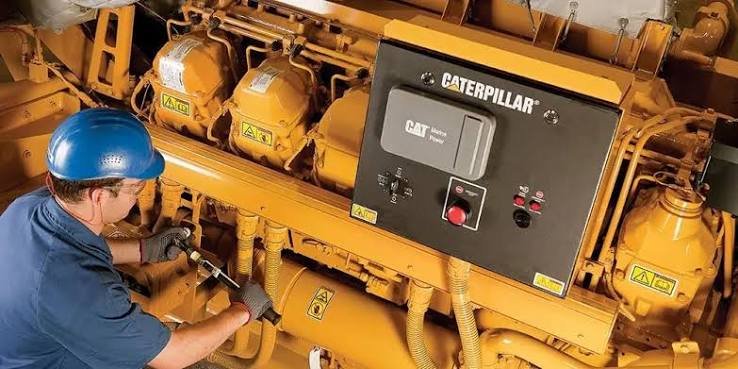
Regular generator maintenance is easy to overlook, especially when a standby generator is rarely used. Since the unit may automatically perform self-tests and remain in standby mode for most of the year, it can be tempting to assume that everything is working properly.
However, skipping generator maintenance for even a single year can increase the risk of unexpected problems when a power outage occurs.
Preventive maintenance helps identify worn components, replace aging parts, and ensure that the generator is ready to operate when it is needed most.
Let’s take a closer look at why annual generator maintenance is so important.
Small Issues Can Become Bigger Problems
Like any engine, a standby generator contains moving components that naturally experience wear over time. Engine oil can deteriorate, filters can become clogged, batteries can lose capacity, and electrical connections can become loose.
Without regular maintenance, these minor issues may go unnoticed until they develop into more serious mechanical failures.
A simple oil change or battery replacement is generally much less expensive than repairing major engine damage caused by neglected maintenance.
Routine inspections allow technicians to identify potential problems at an early stage, before they affect the reliability of the generator.
Batteries Can Fail Without Warning
One of the most common reasons a standby generator fails to start is a weak or completely discharged battery.
Even when the generator is not operating regularly, its battery remains under continuous demand from the control system and automatic monitoring functions.
Over time, batteries naturally lose performance due to aging, temperature fluctuations, and charging cycles.
During routine maintenance, technicians typically:
Test battery voltage
Inspect battery terminals for corrosion
Check the performance of the charging system
Replace aging batteries before they fail
Without these inspections, the generator may fail to start when utility power is interrupted.
Fluids and Filters Deteriorate
Generator engines depend on clean engine oil, air filters, and fuel filters to operate efficiently. Over time, engine oil loses its protective properties, while contaminants can accumulate inside the engine.
Dirty filters can restrict airflow or fuel delivery, reducing performance during extended generator operation.
Annual maintenance typically includes:
Replacing engine oil and oil filters
Inspecting or replacing air filters
Inspecting the fuel system
Checking coolant levels in liquid-cooled generators
Replacing these consumable components on time helps extend engine life and maintain reliable performance.
Electrical Components Need Inspection
A standby generator is more than just an engine. It also includes electrical controls, sensors, wiring, and an automatic transfer switch, all of which must work together when a power outage occurs.
Over time, vibration, moisture, insects, and exposure to weather conditions can affect these components.
A professional maintenance inspection often includes checking:
Wiring and electrical connections
Automatic transfer switch operation
Control panel diagnostics
Safety shutdown systems
Error codes and fault history
These inspections help ensure that the entire backup power system operates properly.
Performance Can Decline Without Proper Testing
Even if a generator starts successfully during its regular exercise cycle, this does not always guarantee that it will perform correctly under a full electrical load during an extended power outage.
Professional maintenance may include operational and load testing to verify that the generator produces the correct voltage and frequency and responds properly to changing electrical demands.
This type of testing can reveal problems that may not be detected during short automatic self-test cycles.
Maintenance Helps Protect Your Investment
A standby generator is designed to provide reliable backup power for many years. However, regular maintenance is essential for maintaining its performance and extending its service life.
Skipping maintenance for a year may not always result in immediate failure, but it can increase the risk of battery problems, fluid degradation, worn components, and hidden electrical issues.
As a result, the generator may not be fully prepared to operate when a power outage occurs.
Annual generator maintenance helps keep the system safe, efficient, and reliable, while extending its service life and reducing the likelihood of unexpected failures and costly repairs.
 Fill in the required fields and you will be contacted soon