


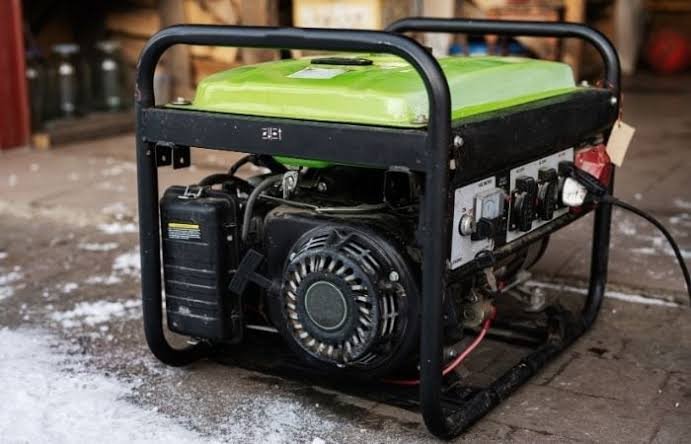
A generator that does not start does not always mean that the equipment is damaged. In many cases, the cause is a minor issue in a supporting system, such as the battery, fuel supply, control panel settings, or a protection alarm. These problems can develop gradually over time, especially in standby generators that remain inactive for long periods.
This article explains the most common reasons why a generator may fail to start, what operators can safely check, and when professional technical support is required.
Before inspecting any generator, always follow safety procedures. Do not open live electrical panels, bypass protection systems, or work on fuel systems, starters, alternators, or control circuits unless you are properly qualified.
Start by Checking the Battery
Battery problems are among the most common reasons why generators fail to start.
Standby generators are especially vulnerable because they are not operated every day. Over time, a battery can lose charge, weaken, or fail to provide enough current for engine starting.
What to check:
Loose, dirty, or corroded battery terminals;
A faulty battery charger;
A tripped charger breaker;
An old battery that cannot provide sufficient starting power;
Clicking sounds without engine cranking;
Slow engine rotation during startup.
If the generator clicks but does not crank or turns over very slowly, the battery and its connections should usually be checked first.
Check the Fuel System
Fuel-related issues are another common reason why generators fail to start.
A generator requires clean fuel, proper fuel flow, and a fuel system free from air or blockages to operate correctly.
Even if there is fuel in the tank, the engine may not start due to the following problems:
Common fuel system checks:
Fuel level: Check the actual fuel level in the tank, not only the gauge reading.
Fuel valves: Make sure supply valves are open, especially after maintenance work.
Air in the fuel system: This can occur after replacing filters or running the tank completely empty.
Blocked fuel filters: Restricted fuel flow can prevent starting.
Water or contamination: Contaminated fuel can damage components and block filters.
Old diesel fuel: Diesel stored for long periods can lose quality and affect performance.
Cold weather conditions: Low temperatures can cause diesel to thicken and restrict fuel flow.
Fuel quality is extremely important because fuel problems can not only prevent starting but also reduce the lifespan of injectors, pumps, and filters.
Check the Control Panel Before Assuming a Mechanical Failure
Some generator starting problems are caused by incorrect settings or control system issues rather than engine faults.
Before performing deeper troubleshooting, check:
Whether the operating mode selector is set correctly;
Whether the generator was left in OFF or manual mode after maintenance;
Whether the emergency stop button is activated;
Whether there are active fault alarms or error codes;
Whether the automatic start signal is reaching the generator.
If the generator starts manually but does not start automatically, the problem may be related to the automatic transfer switch (ATS), signal wiring, or the control system.
Do Not Ignore Protection Alarms
If the controller prevents the generator from starting because of low oil pressure, low coolant level, high temperature, or another protection alarm, the system is working to prevent equipment damage.
Check:
Engine oil level;
Coolant level;
Possible leaks;
Signs of overheating.
Do not disable protection systems or force the generator to start. Doing so can turn a minor issue into a serious engine failure.
Inspect the Air Intake and Exhaust System
A generator engine requires proper airflow to operate efficiently.
Possible causes of starting problems include:
A blocked air filter;
Dust and dirt accumulation;
Restricted exhaust flow;
Blocked ventilation openings.
These issues are especially common at construction sites, industrial facilities, and dusty operating environments.
Generator Does Not Crank vs. Cranks but Does Not Start
Understanding the difference between these two situations helps identify the possible cause faster.
If the generator does not crank:
Possible causes include:
Weak or discharged battery;
Poor battery connections;
Starter motor failure;
Starter relay problems;
Control circuit issues.
If the generator cranks but does not start:
Possible causes include:
Fuel supply problems;
Air in fuel lines;
Blocked filters;
Fuel valve issues;
Cold-start system problems.
Starter systems, fuel injection components, alternators, and electrical circuits should only be inspected by qualified technicians.
If the Generator Starts and Then Stops
A generator that starts but shuts down shortly afterward has a different type of problem.
In many cases, a protection system is stopping the engine to prevent damage.
Possible causes include:
Low oil pressure;
Engine overheating;
Restricted fuel supply;
Low coolant level;
Electrical faults.
Before attempting another restart, record the fault code or alarm message displayed on the control panel. This information helps technicians diagnose the issue faster.
What Operators Can Safely Check
A trained operator may safely check:
Operating mode and alarm status on the control panel;
Displayed fault codes;
Battery terminal condition;
Fuel level;
Fuel valves;
Oil and coolant levels;
Visible leaks;
Air filter blockage.
Do not work inside electrical panels, fuel injection systems, starter motors, alternators, or protection circuits unless you have the required qualifications.
Why Standby Generators Need Regular Testing
Many generator failures occur because the equipment remains unused for long periods.
Regular testing helps identify developing problems before they become serious.
A standby generator may hide issues such as:
Weak batteries;
Fuel contamination;
Charger failures;
Blocked filters;
Control system errors.
A short no-load startup does not guarantee that the generator is fully ready. Proper testing under actual load conditions is essential.
A preventive maintenance program should include:
Battery inspections;
Charging system checks;
Fuel quality monitoring;
Filter replacement;
Alarm testing;
Periodic load testing.
When Should You Contact Technical Support?
If basic checks do not identify the cause of the problem, or if the generator is critical for your operations, professional support should be requested.
Special attention is required for issues involving:
Starter systems;
Fuel injection systems;
Alternators;
Electronic control systems.
Frequently Asked Questions
Why does my generator click but not start?
A clicking sound without engine cranking usually indicates insufficient starting power. The first things to check are the battery, battery terminals, and charging system.
My generator cranks but does not start. What could be the reason?
Possible causes include fuel supply problems, air in fuel lines, clogged filters, poor fuel quality, or fuel valve issues.
How often should a standby generator be tested?
Testing frequency depends on the generator type, manufacturer recommendations, and how critical the equipment is for the facility. However, regular load testing is recommended.
Can old diesel fuel prevent a generator from starting?
Yes. Diesel fuel stored for long periods can degrade, collect water and contaminants, block filters, and cause injector problems.
Is it safe to bypass a generator protection alarm?
No. Protection systems are designed to prevent equipment damage. Bypassing them without fixing the underlying problem can result in serious engine failure.
 Fill in the required fields and you will be contacted soon