


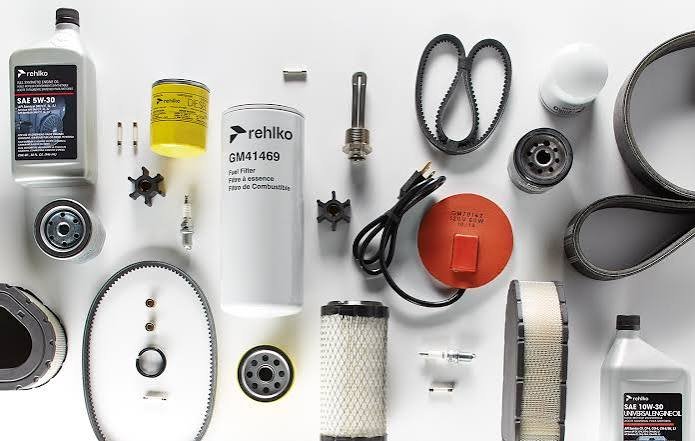
Generators are essential to modern life, providing critical backup power during outages and helping homes, businesses, and essential facilities continue operating without major interruptions.
However, like any complex machinery, generators require regular maintenance and the replacement of worn or damaged components from time to time. This is why using high-quality generator spare parts is so important.
Why Do Spare Parts Matter?
Spare parts are used to replace or repair components of a generator that have become worn or damaged. These can range from small bolts and fasteners to major components such as the engine or alternator.
The performance, reliability, and service life of a generator depend heavily on the quality of the spare parts used during maintenance and repairs.
Using low-quality or incompatible spare parts can result in several problems:
Reduced efficiency: Poor-quality parts may not fit correctly or perform as intended, reducing the generator's overall efficiency.
Increased wear and tear: Inferior components can accelerate the wear of other parts, resulting in more frequent breakdowns.
Higher long-term costs: Cheaper spare parts may reduce initial expenses but can eventually lead to expensive repairs or premature generator replacement.
Safety risks: Faulty components can cause malfunctions and potentially lead to dangerous situations, including electrical fires or carbon monoxide leaks.
Common Types of Generator Spare Parts
1. Filters — Air, Oil, and Fuel Filters
Filters are essential for keeping the generator engine clean and operating efficiently.
Over time, filters can become clogged with dirt and debris, which can reduce performance and fuel efficiency.
Regular filter replacement helps keep the engine in optimal working condition.
2. Batteries
The battery plays a crucial role in starting the generator. If the battery is not functioning properly, the generator may fail to start when it is needed during a power outage.
Depending on usage and operating conditions, batteries typically need to be replaced every 2–3 years.
3. Belts
Generator belts drive various components, including the alternator and cooling fan.
Over time, belts can become worn, cracked, or lose their elasticity, potentially causing generator failure.
Regular inspection and timely replacement of worn belts are therefore essential for maintaining generator reliability.
4. Fuel Injectors
Fuel injectors deliver fuel into the engine's combustion chamber.
Dirty or malfunctioning injectors can cause the engine to operate inefficiently or prevent it from starting altogether.
Regular cleaning and replacement of injectors can help prevent these problems.
5. Control Panels
The control panel is often considered the "brain" of the generator. It controls the generator's operation and monitors its key parameters.
A malfunctioning control panel can cause the generator to stop working or operate incorrectly. Replacing faulty control panels is therefore essential for safe and reliable operation.
6. Alternator
The alternator is one of the most important components of a generator. It converts mechanical energy into electrical energy.
The alternator is responsible for producing the electricity required to power equipment and systems when the main power source is unavailable or continuous power is required.
How to Choose the Right Spare Parts
When selecting spare parts for your generator, several important factors should be considered.
Compatibility
Make sure the spare parts are specifically designed for your generator model. Using incompatible components can result in poor performance or damage to the equipment.
Quality
Choose OEM (Original Equipment Manufacturer) parts or high-quality aftermarket alternatives from reputable suppliers.
These components are manufactured to meet the required technical specifications and provide reliable performance.
Warranty
Check whether the spare parts are covered by a warranty. A warranty provides additional protection against manufacturing defects and premature component failure.
Supplier Reputation
Purchase spare parts from trusted suppliers with a strong reputation. This reduces the risk of receiving counterfeit, unsuitable, or low-quality components.
Maintenance Tips to Extend Generator Life
In addition to using quality spare parts, regular generator maintenance is essential for extending the service life of your equipment.
Conduct Regular Inspections
Inspect the generator regularly to identify signs of wear, damage, or potential problems. Early detection allows issues to be addressed before they develop into serious failures.
Keep the Generator Clean
Keep the generator and its components clean to prevent dirt and debris from reducing efficiency or causing damage.
Run the Generator Regularly
Even when the generator is not required, running it periodically helps maintain engine lubrication and prevents problems associated with prolonged inactivity.
Store Fuel Properly
If your generator operates on gasoline, make sure the fuel is stored properly. A fuel stabilizer can be used to help prevent fuel deterioration during storage.
Follow the Manufacturer's Guidelines
Always follow the manufacturer's recommended maintenance procedures and service schedule for your specific generator model.
Investing in high-quality generator spare parts is essential for ensuring that your generator remains reliable, efficient, and safe.
Regular maintenance combined with quality replacement parts can significantly extend the service life of your generator and help ensure dependable power during outages.
Whether a generator is used for residential or commercial purposes, prioritizing proper maintenance and using the right spare parts can reduce long-term costs, minimize unexpected downtime, and provide greater peace of mind when reliable power is needed most.
 Fill in the required fields and you will be contacted soon