


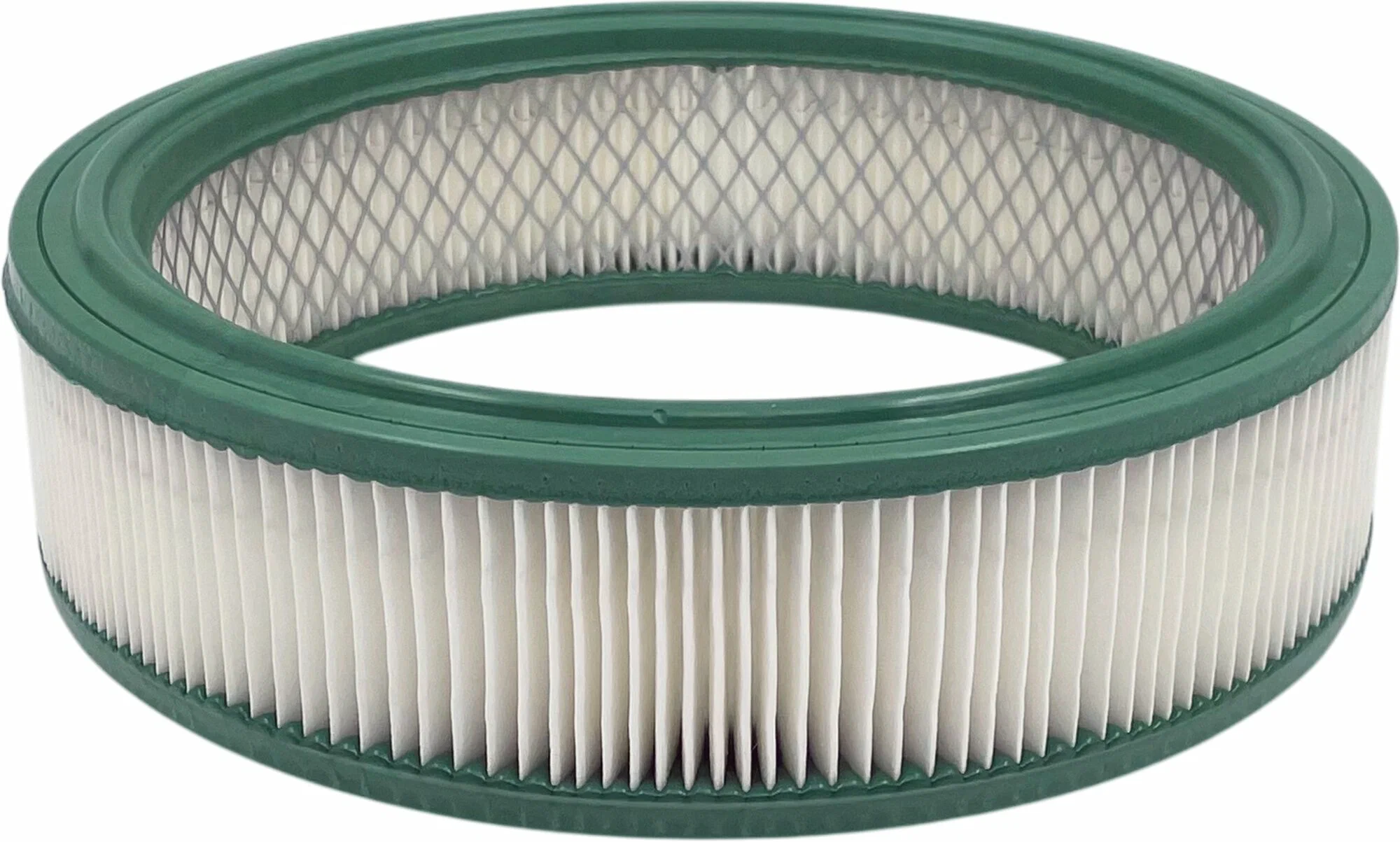
A clean and consistent air supply is essential for efficient engine operation. Engines require air for combustion, but the incoming air can contain dust, dirt, sand and other particles that may damage internal components.
The air filter is designed to remove these contaminants before they enter the engine. For this reason, choosing a high-quality air filter, installing it correctly and replacing it at the appropriate interval are important parts of engine maintenance.
What Does an Air Filter Do?
The primary function of an air filter is to clean the air entering the engine. It captures dust, dirt, sand and other airborne particles, helping ensure that cleaner air reaches the engine's air intake system.
A properly maintained air filter can help support:
- consistent engine operation;
- adequate airflow;
- engine performance;
- efficient fuel consumption;
- protection of internal engine components.
Effective air filtration is particularly important for diesel vehicles and heavy equipment operating in dusty or demanding environments.
What Are the Signs of a Dirty Air Filter?
Over time, an air filter collects dust and other contaminants. If the filter becomes excessively loaded, airflow into the engine may become restricted.
Several symptoms may indicate that the air filter should be inspected.
1. A Heavily Contaminated Filter
Some degree of dirt on a used air filter is normal and indicates that the filter is doing its job. However, excessive accumulation of dust and debris may indicate that the filter needs to be replaced.
The filter should not be judged by color alone. Its condition should be evaluated according to the manufacturer's maintenance recommendations and the actual level of contamination.
2. Increased Fuel Consumption
Restricted airflow can affect the engine's air-fuel balance and operating conditions. In some cases, this may result in increased fuel consumption.
However, higher fuel consumption can have many causes, so the air filter should not automatically be considered the only source of the problem.
3. Dark Exhaust Smoke or Strong Fuel Odor
In diesel engines, insufficient airflow can contribute to incomplete combustion and increased exhaust smoke.
If dark smoke, a strong fuel odor or unstable engine operation is observed, the air intake system and air filter should be inspected.
4. Reduced Engine Power
When a dirty air filter restricts airflow, engine performance and acceleration may be affected.
If a vehicle becomes slower to accelerate or heavy equipment begins operating below its normal performance level, a restricted air filter may be one possible cause.
5. Warning Lights
Engine warning lights can be triggered by many different issues. In some cases, problems within the air intake system may contribute to a warning.
If a warning light appears, the entire system should be properly diagnosed rather than simply replacing the air filter without identifying the underlying cause.
How Can a Dirty Air Filter Affect Engine Performance?
When an air filter remains in service for too long, accumulated contaminants can restrict airflow. This may affect combustion and overall engine performance.
Over time, continued operation with a severely restricted filter may contribute to:
- reduced engine performance;
- increased fuel consumption;
- lower equipment productivity;
- increased engine load;
- higher maintenance costs;
- increased risk of equipment downtime.
These concerns are particularly important for machinery operating in construction, agriculture, mining and other dusty environments.
When Should an Air Filter Be Replaced?
There is no single replacement interval that applies to every vehicle or piece of equipment. The appropriate interval depends on the engine type, manufacturer's recommendations and operating environment.
Equipment operating in dusty areas, construction sites, agricultural environments or other demanding conditions may require more frequent inspection and replacement.
The air filter should therefore be checked regularly and replaced according to the manufacturer's maintenance schedule and the actual operating conditions.
How to Choose the Right Air Filter
When selecting a replacement air filter, price and physical dimensions are not the only factors to consider. The filter must be fully compatible with the specific vehicle or equipment.
Important factors include:
- vehicle or equipment make and model;
- engine type;
- manufacturer's specifications;
- filtration efficiency;
- filter media quality;
- manufacturer and product reliability.
A properly selected air filter helps provide the necessary airflow while protecting the engine from harmful contaminants.
Conclusion
The air filter is a simple but essential component of an engine's intake system. Its primary function is to remove dust, sand and other contaminants from the air entering the engine.
A clean, high-quality air filter can help maintain engine performance, fuel efficiency and long-term reliability.
Regular inspection and timely replacement according to the manufacturer's recommendations are important for protecting both passenger vehicles and heavy equipment.
 Fill in the required fields and you will be contacted soon