


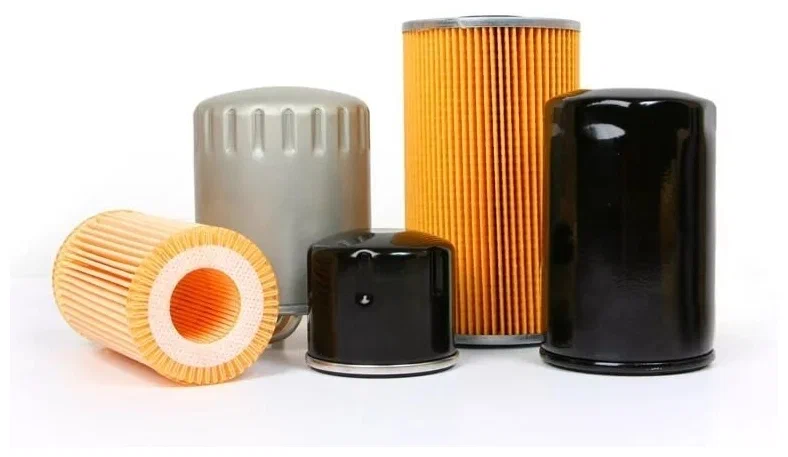
When it comes to vehicle maintenance, most drivers understand the importance of changing engine oil regularly. However, the oil filter is just as important when it comes to maintaining clean oil and protecting the engine.
Although relatively small, an oil filter has an important job. It removes contaminants from the oil as it circulates through the engine, helping reduce the amount of dirt and debris that reaches sensitive internal components.
Choosing the right oil filter and replacing it at the recommended intervals can help support proper oil circulation, reduce contamination and contribute to long-term engine reliability.
What Does an Oil Filter Do?
Engine oil circulates through the moving components of an engine to lubricate them and help reduce friction and heat. As the oil moves through the system, however, it can collect contaminants such as dust, carbon deposits, metal particles and other debris.
The oil filter is designed to capture many of these contaminants before they continue circulating through the engine.
Without effective filtration, contaminated oil can contribute to increased friction and wear on internal components. A properly functioning filter therefore plays an important role in keeping the engine oil cleaner during operation.
Why Does the Right Oil Filter Matter?
Not all oil filters are designed to the same standards. While a low-cost filter may appear to be an economical option, filtration efficiency, construction quality and compatibility with the vehicle are all important factors.
1. Effective Filtration
A high-quality oil filter is designed to capture small particles and contaminants from engine oil. The quality of the filter media directly affects how effectively contaminants can be removed.
Over time, abrasive particles circulating in the oil may contribute to wear on internal engine components. Choosing a filter with appropriate filtration performance is therefore essential.
2. Durable Construction
Oil filters operate under demanding conditions, including elevated temperatures and oil pressure. Their housing, filter media and sealing components must therefore be designed to withstand these conditions.
A poorly constructed filter may deform or develop leaks under demanding operating conditions. A durable filter provides more consistent performance throughout its service life.
3. Reliable Valve System
Many oil filters include important components such as a bypass valve and an anti-drainback valve.
The bypass valve can allow oil to continue reaching the engine when the filter creates excessive resistance, such as under certain cold-start or restricted-flow conditions.
The anti-drainback valve helps prevent oil from flowing backward out of the filter when the engine is switched off. This can help maintain oil within the lubrication system between engine starts.
4. Proper Fit and Sealing
Every vehicle requires an oil filter with specific dimensions and technical characteristics. Thread size, gasket design, filter capacity and other specifications must match the engine and filtration system.
Using the wrong filter can result in leaks, poor sealing or inadequate filtration.
Always select an oil filter based on the vehicle's make, model, production year and engine specifications.
The Hidden Risks of a Cheap or Poor-Quality Oil Filter
Saving a small amount of money on an oil filter may seem attractive, but a poor-quality or neglected filter can contribute to more serious maintenance problems over time.
Common risks include:
- Restricted oil flow: A heavily loaded filter may increase resistance to oil flow.
- Increased engine wear: Contaminated oil can contribute to friction and premature wear.
- Higher operating temperatures: Increased friction may contribute to additional heat.
- Oil leaks or pressure issues: Poor seals or incorrect filter fit can result in oil leakage.
- Serious engine damage: Long-term exposure to contaminated or inadequately filtered oil can contribute to significant component wear.
For these reasons, an oil filter should be considered an important part of routine engine maintenance rather than an area where quality should be compromised.
How Often Should You Change the Oil Filter?
As a general maintenance practice, the oil filter should be replaced when the engine oil is changed, unless the vehicle manufacturer specifies otherwise.
The correct service interval depends on factors such as the vehicle manufacturer's recommendations, engine type, oil specification and driving conditions.
Frequent short-distance driving, extended idling, heavy loads, towing and dusty environments may place additional demands on the engine and can affect maintenance requirements.
The best approach is to follow the maintenance schedule specified in the vehicle owner's manual.
Simple Tips for Protecting Your Engine
Maintaining a healthy engine does not require complicated procedures. Consistent and appropriate maintenance is usually the most important factor.
- Follow the recommended oil change schedule.
- Use the engine oil specified by the vehicle manufacturer.
- Choose an oil filter compatible with your vehicle and engine.
- Check the engine oil level regularly.
- Never ignore oil-pressure or engine warning lights.
- Inspect the vehicle if you notice oil leaks or changes in engine performance.
- Avoid filters from unreliable or unknown sources.
Conclusion
The oil filter is a small but essential component of an engine's lubrication system. Its primary role is to remove contaminants from engine oil and help ensure that cleaner oil reaches the engine's moving components.
 Fill in the required fields and you will be contacted soon