


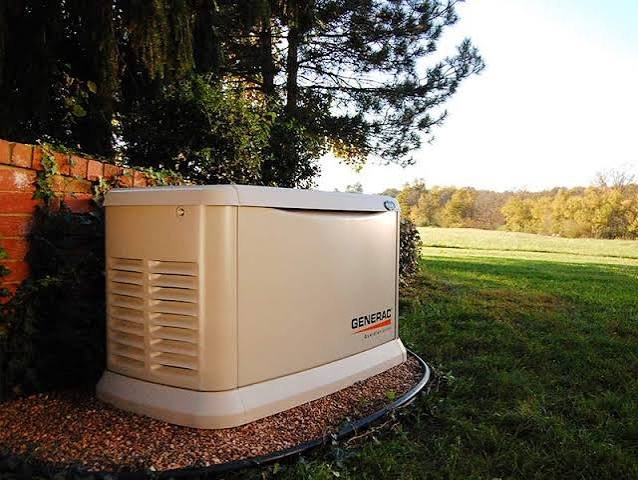
There are several important reasons why you may consider installing a standby generator for your home or small business. During a power outage caused by severe weather conditions or unexpected electrical failures, a standby generator helps maintain safety, comfort, and continuous operation.
For businesses, a reliable backup power system reduces downtime, protects equipment, and allows operations to continue without major interruptions.
Standby generators, also known as permanent or whole-house generators, provide efficient and dependable backup energy solutions for various applications. When choosing a generator, it is important to work with a trusted supplier and determine the correct generator capacity based on your specific energy requirements.
This article explains how to answer the important question:
“What size generator do I need to power my home or small business during a power outage?”
What Is the Rule for Generator Sizing?
The main rule when selecting a generator size is that the unit must provide enough power for all essential electrical devices while also having additional capacity for the starting power requirements of appliances.
Many electrical devices require more energy when they first start working. If the generator does not have enough capacity, it may fail to operate properly and leave your home or business without sufficient electricity.
To avoid this problem, generator capacity should always include a safety margin.
How to Calculate the Required Generator Size
Choosing the correct generator size can be done through three simple steps.
Step 1: Understand Your Generator Power Requirements
Follow these steps to calculate your energy needs:
- Make a list of all electrical devices and systems that need to operate during a power outage. This may include:
- refrigerators;
- heating and cooling systems;
- lighting;
- computers;
- security systems;
- business equipment.
- Identify the running wattage of each device.
- Add together the total running watts of all selected equipment.
- Consider the starting wattage of appliances, because many devices require extra power for a few seconds when they start.
- Add the highest starting watt requirement to the total calculation.
- Multiply the final number by at least 1.25 to create a safety margin and allow for future energy needs.
The result will show the minimum generator capacity required for your home or business.
Step 2: Evaluate Your Energy Needs
Before purchasing a generator, it is important to understand how you plan to use it.
Consider the following questions:
- Do you need enough power to support your entire home or only essential systems?
- Will the generator be permanently installed or do you need a portable solution?
- How long should the generator operate during an outage?
- What type of equipment must remain powered?
Answering these questions will help you select the most suitable generator model.
Step 3: Choose the Right Generator
After calculating your required capacity, you can select the appropriate generator type.
Common standby generator options include:
- 13–20 kW air-cooled standby generators designed for residential backup power.
- 25–150 kW liquid-cooled generators suitable for larger homes and small businesses.
- 9,500-watt dual-fuel portable generators powered by gasoline or propane for flexible backup energy solutions.
Choosing the correct generator size ensures reliable performance, protects electrical equipment, and provides uninterrupted power when it is needed most.
 Fill in the required fields and you will be contacted soon