


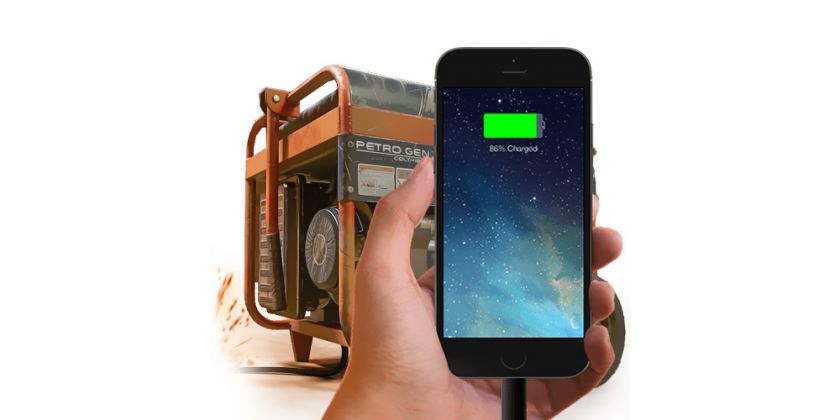
When the power goes out, a generator can seem like a real lifesaver. People often want to connect everything to it, from refrigerators to washing machines. However, a portable generator is not a complete replacement for the electrical grid, and connecting certain devices to it can be extremely dangerous.
Below are the key points you should pay special attention to when using a generator.
Can You Charge a Phone or Laptop from a Generator?
A generator is an energy source designed for emergency situations. Its purpose is not to provide all household comforts but to meet essential power needs.
If the limitations of a generator are ignored, both electrical devices and the generator itself can be damaged, and there may even be a risk of fire.
When the power goes out, one of the first things people think about is using phones, televisions, and other electronic devices. However, these types of devices are not always compatible with standard portable generators.
Smartphones, tablets, laptops, gaming consoles, and other electronic devices require stable and “clean” electrical power.
Standard gasoline generators can sometimes produce what is known as “dirty power.” In this case, voltage may fluctuate depending on engine speed, and voltage spikes may occur.
Such changes may not create serious problems for ordinary lamps and fans. However, they can be dangerous for electronic circuits.
Voltage spikes can:
• Damage electronic circuit boards.
• Reduce the service life of devices.
• Cause equipment to fail immediately.
Connecting a phone or laptop directly to a generator is risky.
The same issue can occur during voltage surges caused by lightning. In such cases, televisions, computers, and other sensitive electronic devices may be damaged.
Solution
If using a phone or laptop is necessary, the safest option is to use an inverter generator.
Inverter generators provide stable electricity with a clean sine wave and are more suitable for sensitive electronic devices.
For additional protection, you can use:
• A high-quality surge protector.
• UPS (uninterruptible power supply).
Which Household Appliances Overload a Generator Faster?
Electric Stoves, Washing Machines, Dryers, and Large Refrigerators
All of these appliances require high amounts of power.
The most dangerous moment is the startup process. Some devices require several times more current when starting compared to their normal operating condition.
For example:
When a refrigerator compressor starts, it requires significantly more power than during normal operation.
For a small portable generator, this sudden load can be a serious challenge.
If the generator does not have sufficient capacity:
• Voltage may drop.
• The generator may shut down automatically.
• The engine and windings may overheat.
• The generator may fail.
Connecting several large household appliances to one generator at the same time almost always results in overload.
Main Rule
Be especially careful before connecting the following devices to a generator:
• Electric stoves.
• Washing machines.
• Dryers.
• Large refrigerators.
These appliances may require more power than many generators can safely provide.
Before connecting powerful equipment:
- Check the generator’s rated power in its technical specifications.
- Compare it with the power requirement of the device.
- Follow the manufacturer’s recommendations.
Some generators may operate one large appliance, but this should not be assumed without checking beforehand.
Can You Connect a Heater to a Generator During a Power Outage?
During winter power outages, one of the first devices people think about is an electric heater.
However, heaters are among the heaviest loads for a generator.
Reasons:
• They consume a large amount of energy.
• They may require high power during startup.
• They can cause generator overload.
In addition, there is a more serious danger.
Heating elements operate at high temperatures and require a stable electrical supply.
If the voltage produced by the generator fluctuates:
• The heater may overheat.
• A fire hazard may occur.
The combination of unstable electricity and a high-temperature heating device creates a dangerous situation.
A generator is a very useful device during power outages, but it must be used correctly.
Before connecting devices to a generator:
• Check the power requirements of the device.
• Consider the generator’s capacity.
• Use inverter generators for sensitive electronics.
• Do not overload the generator.
Proper use extends the generator’s service life, protects equipment, and ensures safety.
 Fill in the required fields and you will be contacted soon