


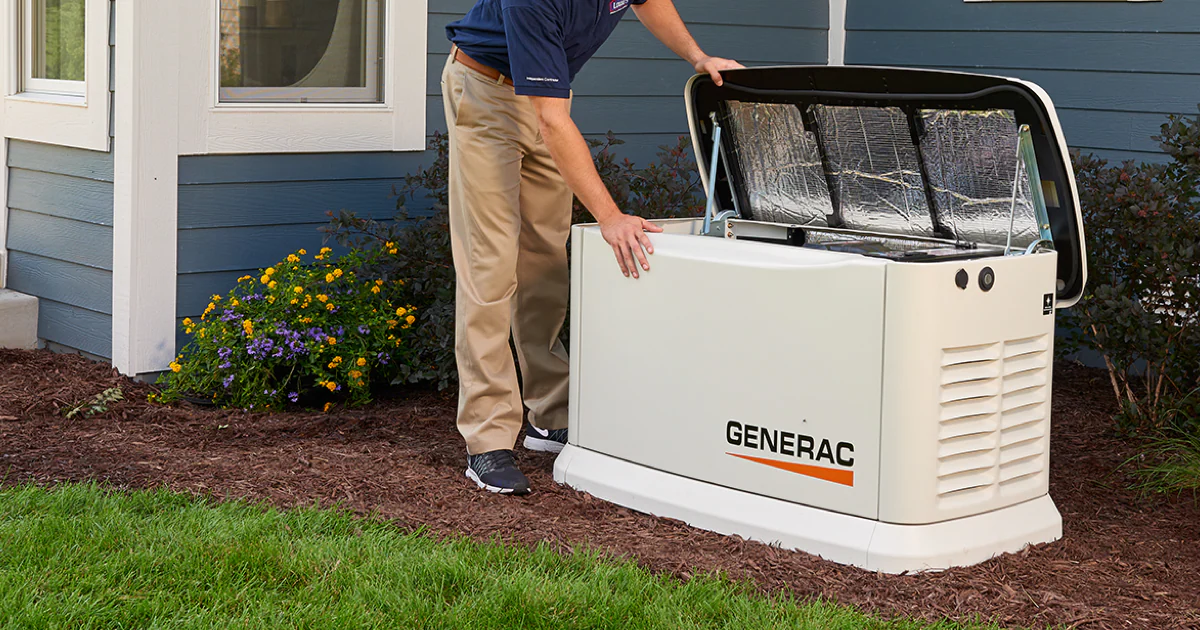
Differences Between Prime and Standby Generators
One of the most important factors when selecting a generator is determining whether it is designed to operate in Prime Power or Standby Power mode. These ratings define the generator's intended application, operating duration, and load capacity.
In addition to these ratings, generators are also classified according to Continuous Power (COP), Limited-Time Running Power (LTP), and Emergency Standby Power (ESP). However, the two most commonly used ratings in practice are Prime Power and Standby Power. These power ratings are defined in accordance with the international standards ISO 8528 and ISO 3046.
What Is Prime Power?
Prime Power refers to the maximum power a generator can continuously deliver under a variable electrical load for an unlimited number of operating hours.
In this mode, the generator serves as the primary source of electricity and is designed for continuous long-term operation.
Key Characteristics of Prime Power
Continuous operation under variable load conditions;
No limitation on annual operating hours;
Up to approximately 10% overload is permitted for one hour within every 12 hours of operation;
The average load is generally recommended not to exceed 70% of the generator's rated capacity.
If a generator operates continuously under a constant load—for example, supplying electricity to the utility grid—the Continuous Power (COP) rating is used instead.
What Is Standby Power?
Standby Power is the maximum power a generator can deliver to provide backup electricity when the primary power supply fails.
These generators are designed exclusively for emergency use and are not intended to serve as a continuous power source.
Key Characteristics of Standby Power
Used only during utility power outages;
Overloading by 10% is not permitted;
Annual operating hours are typically limited to 200–500 hours, depending on the manufacturer;
The average load is recommended to remain around 70% of the generator's rated capacity.
Practical Example
Assume a generator has the following ratings:
Prime Power: 300 kVA
Standby Power: 330 kVA
Prime Mode
The generator can operate continuously at 300 kVA.
The recommended average load is approximately 210 kVA (70%).
Under specified conditions, it may be temporarily overloaded up to 330 kVA.
Standby Mode
The generator can supply a maximum of 330 kVA.
The recommended average load is approximately 231 kVA.
Overloading is not permitted.
Annual operating hours must not exceed the limit specified by the manufacturer.
Applications of Prime and Standby Generators
Prime Generators
Prime generators are used as the primary source of electrical power.
Typical applications include:
Construction sites;
Mining operations;
Oil and gas facilities;
Off-grid locations;
Agricultural operations;
Temporary industrial projects.
Standby Generators
Standby generators operate only when the primary utility power supply is interrupted.
Common applications include:
Hospitals;
Data centers;
Banks;
Hotels;
Commercial buildings;
Manufacturing facilities;
Residential complexes.
What Should You Consider When Choosing a Prime Generator?
Since Prime generators often operate daily, special attention should be given to their fuel system and maintenance schedule.
Important considerations include:
Selecting an appropriately sized fuel tank;
Calculating fuel consumption;
Establishing a regular maintenance schedule;
Replacing filters and engine oil at the recommended intervals;
Providing sufficient access space for servicing.
For most generators, the recommended maintenance interval is approximately 500 operating hours, while some engines require servicing every 250 hours.
Important Features of Standby Generators
Although Standby generators may remain idle for long periods, they must always be ready for immediate operation.
The following equipment is highly recommended:
Automatic Transfer Switch (ATS);
Automatic battery charger;
Jacket Water Heater for engine preheating;
Regular test runs.
An ATS (Automatic Transfer Switch) automatically starts the generator during a power outage and transfers the electrical load back to the utility grid once power is restored.
Which Generator Is Right for You?
The right generator depends entirely on its intended application.
If the generator will serve as the primary power source and operate for extended periods, a Prime Power generator is the best choice.
If the generator is intended solely to provide backup power during utility outages, a Standby Power generator is the more suitable solution.
Conclusion
Although Prime and Standby generators may appear similar, they are designed for completely different operating conditions and applications. Selecting the right generator should be based on your project's power requirements, expected operating hours, and intended use.
Carefully evaluating your energy needs in advance will improve the reliability of your power supply while ensuring longer service life and maximum efficiency from your generator.
 Fill in the required fields and you will be contacted soon