


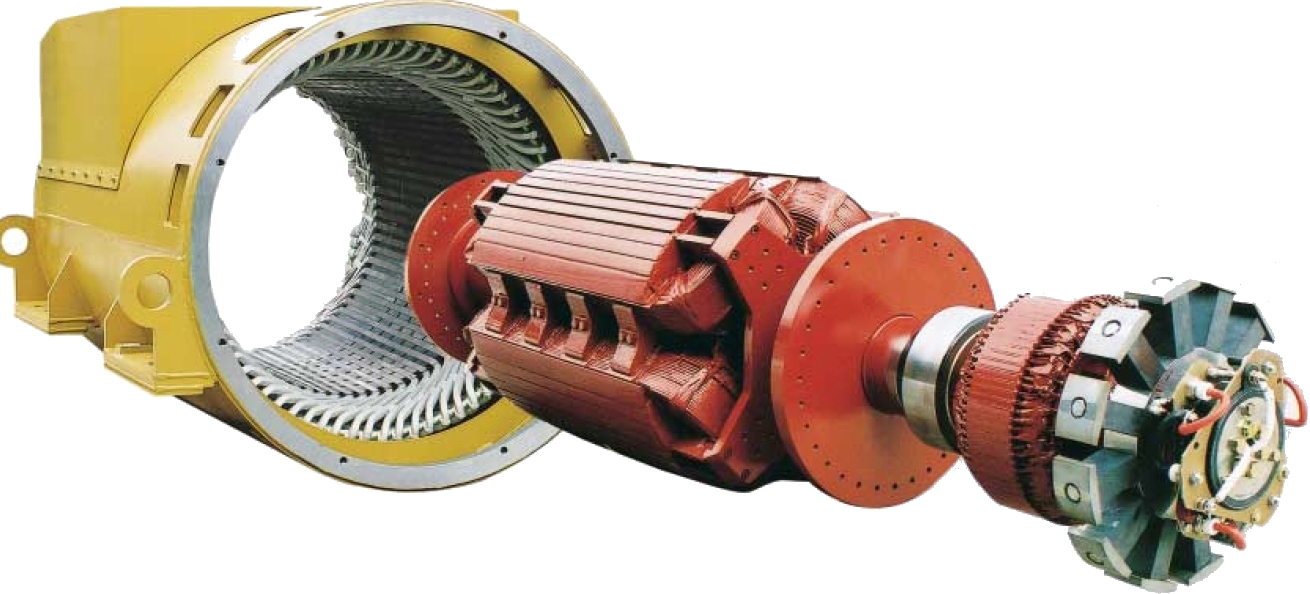
What are the different types of generators?
There are several types of electric generators. Fuel is the distinguishing feature. Except for solar-powered (EcoFlow) models, electric generators are usually equipped with an internal combustion engine and operate on gasoline, diesel, or gas.
Gasoline Generators
More compact than diesel generators, these models can be easily transported. Designed for occasional use, these models provide single-phase current and have lower power output compared to diesel generators.
Diesel Generators
Designed for professionals and industrial users, diesel generators meet specific requirements. Suitable for intensive use, their power can reach several thousand kVA. They provide single-phase, three-phase, or mixed current. Three-phase current is three times more powerful than single-phase current and is suitable for professional equipment that consumes high amounts of energy.
These independent electric generators can operate continuously for several hours. In the event of a power outage, some models are automatically started immediately by an automatic start device.
Gas Generators
With the same filtration system as diesel generators (except for the fuel filter), gas generators operate using a propane gas cylinder or directly from the gas network. What is the main difference? The engine system of these electric generators is protected against the risk of fuel degradation. Gas stored in the tank for a long time does not deteriorate over time, unlike gasoline or diesel. Another difference is that propane can withstand temperatures down to -44°C. Therefore, these electric generators are especially suitable for cold environments.
Generator Maintenance
Why should you maintain a generator? An electric generator is essential for many businesses that depend on a continuous power supply. Without this energy source, the risk of operational disruptions for these organizations is high. When your generator receives regular maintenance, your power supply remains secure and breakdowns are prevented.
A generator can also represent a significant financial investment. Careful maintenance extends its lifespan and protects the money spent on your purchase.
Generators and Filtration
Electric generators with combustion engines contain many filters. Each one plays an important role in maintaining the engine system. This filtration ensures the optimal operation and longevity of your equipment.
Air Filters
The air filter protects the engine system by trapping particles in the air. This filtration prevents premature wear of components and therefore ensures engine longevity.
Fuel Filters
The fuel filter removes contaminants from diesel or gasoline.
Some filters also separate water that is present in these fuels due to condensation.
Among the available options, water separator filters offer double purification for your diesel fuel. Some of the many models available (installed in dual or triple configurations) are also equipped with a valve to isolate the housing during maintenance. The generator remains operational during servicing, preventing power interruptions.
Oil Filters
The oil filter captures contaminants found in the oil, which lubricates the moving parts of the engine and ensures engine longevity and performance. Without clean oil, engine damage would be irreversible.
Maintenance tip: Check your generator’s oil level regularly. Replace it during every maintenance service.
Engine Ventilation Filters
The engine ventilation filter is installed in powerful diesel or gas generators. It separates oil from combustion gases. The oil is redirected to the crankcase, while the air is cleaned in the air intake manifold.
Coolant Filters
A high-performance coolant filter keeps the liquid clean by trapping contaminants. It also distributes additives (DCA/SCA) throughout the engine system at optimal levels. Its purpose is to prevent engine overheating and protect against cavitation.
 Fill in the required fields and you will be contacted soon