


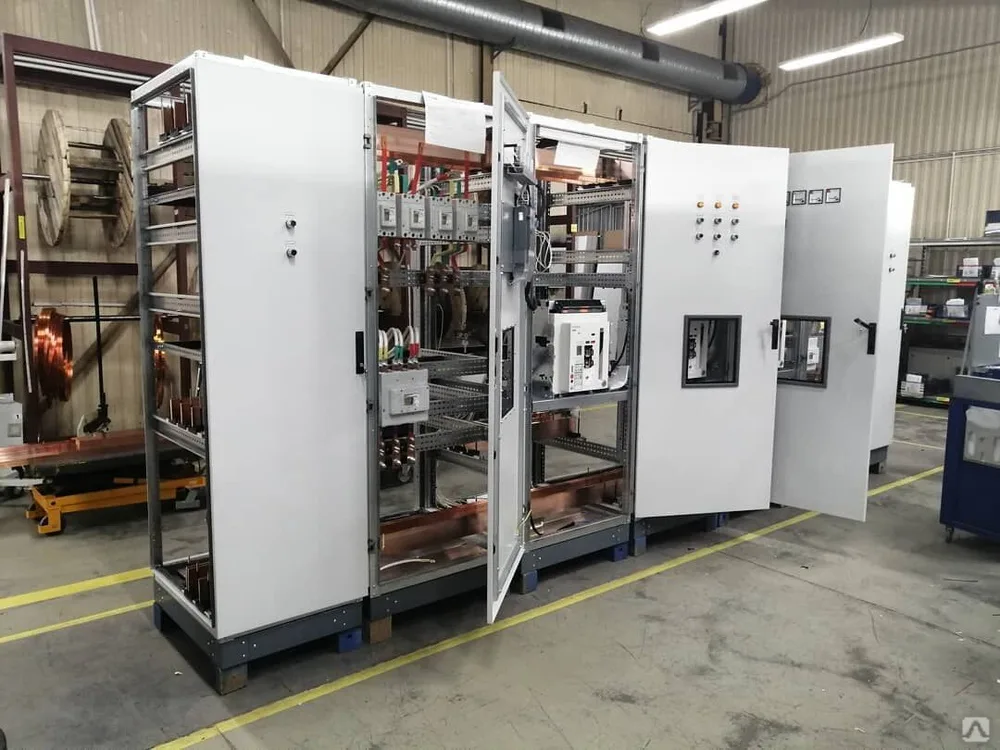
A modern diesel generator is more than just an engine and alternator.
The control panel — usually a microprocessor-based module such as the Deep Sea DSE 7320, 8610, or 8660 — acts as the brain and central nervous system of the generator, connecting mechanical and electrical subsystems. It manages start/stop logic, synchronization, load sharing, data logging, and remote telemetry. The control panel plays a critical role in how quickly the generator responds to outages, how safely it synchronizes with other power sources, and how efficiently it is maintained over time. This article describes the core panel functions, selection criteria, integration practices, and common pitfalls.
Main Functions of a Generator Control Panel
• Start/Stop Sequence: Monitors utility power, initiates cranking, controls glow plugs, and manages the post-start cooling process.
• Engine Protection: Shuts down the generator in cases of low oil pressure, high coolant temperature, overspeed, or crank failure.
• Electrical Protection: Includes over/under voltage, over/under frequency, inverse time overcurrent, and ground fault detection.
• Voltage and Speed Control: Interfaces with the AVR and electronic governor via analog signals or CANbus commands.
• Data Logging: Tracks operating hours, alarm history, and scheduled maintenance intervals.
• User Interface: Displays kW, kVAr, volts, amps, and alarms on an LCD or color TFT screen with soft keys or touch buttons.
Best Practices for Wiring and Input/Output
1. Separate signal and power wiring
Maintain a minimum distance of 150 mm between signal and power circuits. If necessary, cross them at a 90° angle.
2. Shield sensitive lines
Use shielded twisted-pair cables for PT100 sensors, 4–20 mA loops, and magnetic pickups. Ground shields from only one end.
3. Label all terminals
Apply heat-shrink markers or engraved labels to both cable ends for efficient troubleshooting.
4. Plan for expansion
Reserve at least 10% of digital inputs and outputs for future field expansion or control upgrades.
Configuration and Commissioning Workflow
Control panels come with standard software and settings. Field engineers should follow this workflow during commissioning:
1. Update the firmware: Install the latest stable version via USB or LAN.
2. Load site-specific settings: Apply the correct voltage levels, CT/VT ratios, and protection parameters.
3. Simulate key events: Test engine startup, utility power failure, emergency stop, and protection triggers.
4. Lock the configuration: Document the settings, export the parameter file, and secure access with a password.
Firmware Management
Firmware updates improve security, patch bugs, and ensure compliance with evolving grid codes. Most modern controllers use dual-bank memory for safe rollback if a failure occurs during flashing.
• Always back up settings before updating firmware.
• Schedule updates during periods of low generator usage.
• Restart after the update and verify firmware checksums.
Common Pitfalls to Avoid
• Alarm flooding: Factory default thresholds may be too sensitive — adjust parameters according to actual site conditions.
• Battery health not monitored: Connect battery impedance inputs where possible to prevent cold-start failures.
• Single point of failure: Consider dual redundant controllers for Tier III and Tier IV installations.
• Lack of surge protection: Install MOV or TVS diodes on communication lines to protect against lightning or switching surges.
Security and Access Control
To prevent unauthorized configuration changes or tampering:
• Disable unused ports such as Telnet or unencrypted SNMP v1/v2.
• Enable password protection and use VLANs to isolate controller traffic.
• Record all changes in the CMMS or site-wide monitoring system.
Conclusion
A properly selected and configured control panel plays a decisive role in generator performance, reliability, and maintenance. By following best practices for wiring, programming, and cybersecurity, facility managers can ensure that their generators respond accurately when called upon for standby operation, load sharing, or grid-parallel operation.
 Fill in the required fields and you will be contacted soon