


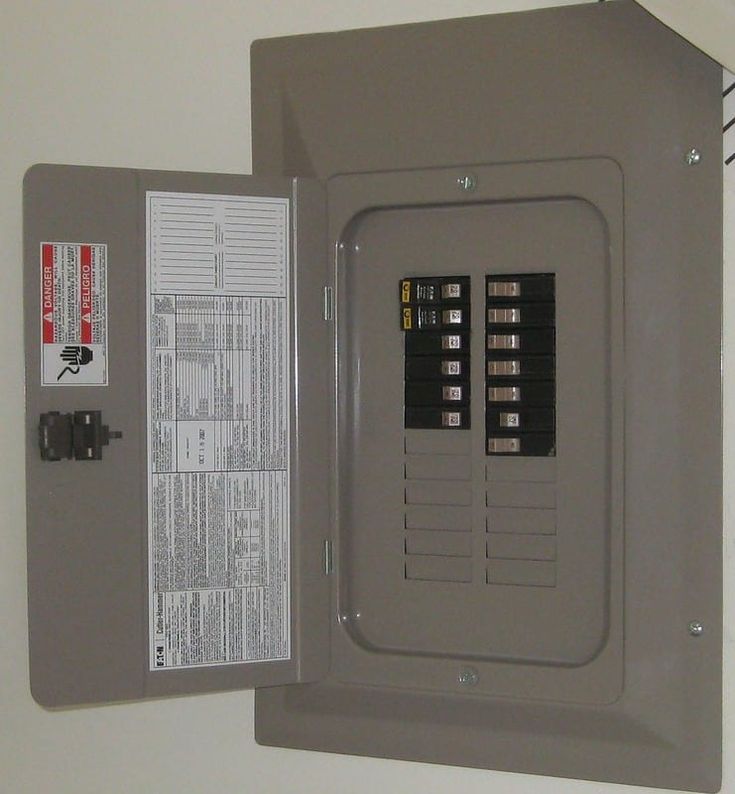
A generator transfer panel is a panel that ensures automatic and safe power transfer between the utility supply and the generator.
When grid power is cut off, the generator starts; when the grid is restored, it reconnects to the utility supply.
In this way, loads are supplied without interruption and simultaneous connection of both sources is prevented. For proper panel selection, generator capacity, number of phases, application area, and safety equipment must be considered. It is used in places such as hospitals, factories, data centers, and residential buildings. This reduces facility downtime and ensures continuous and safe operation of critical systems.
What is a Transfer Panel?
When a generator needs to be added to an existing main grid, the product used to ensure harmonious operation between the main supply and the generator is called a transfer panel. The panel is a system that directs the energy coming from the generator to the connected load and allows switching the power on and off. It opens the main contactors to prevent the main supply and generator from being connected at the same time, thus avoiding overlap of the two power sources.
How Does a Transfer Panel Work?
When grid power is available, the load is supplied from the grid. When the grid power is cut off or voltage drops, generators automatically start and continue to supply the load. When the grid returns to normal, power is taken again from the grid and the generator is shut down.
What is the Working Principle of a Transfer Panel?
Transfer panels are panels that transmit the energy generated by the generator to the load to ensure uninterrupted power supply. In generator models that start automatically, motorized circuit breakers or contactors are typically used inside the transfer panel. These components are controlled via the control unit in the transfer panel or the generator control module.
For the module or ATS controller to operate, three-phase voltage data from both the grid and the generator is required. These voltage references are essential.
Generator panels can be designed in two different ways: as ATS (automatic transfer panels) or manual transfer panels. In terms of operating principle, two contactors are mainly used, and electrical interlocking is ensured through the auxiliary contacts of these contactors. In some applications, mechanical interlocking is also used in addition to electrical interlocking.
Depending on customer requirements, transfer can also be achieved using changeover switches with generator input, grid input, and load output. These systems can also be designed to operate manually via buttons located on the transfer panel. However, manual transfer is generally not preferred as it requires an operator.
What is an Automatic Transfer Panel?
Automatic transfer panels (ATS) are commonly preferred panels used with generators. When a power outage or fault occurs, they start the generator and temporarily supply power. The ATS continuously monitors grid voltage and connection. When interruptions, fluctuations, or deterioration in power quality are detected, it sends a command for the generator to start.
Various components support this process inside the automatic transfer panel. These include contactors, molded case circuit breakers, and air circuit breakers. The components used may vary depending on the model and type of the panel.
Where is an Automatic Transfer Panel Used?
Automatic transfer panels can be used wherever power outages are unacceptable. They are commonly preferred in homes, workplaces, and many similar environments. They play a crucial role especially in generator systems that activate during power outages.
Manual transfer panels can also be used for generators that operate occasionally. If you use a portable generator during a power outage, you must either use an extension cable to supply devices or connect the generator directly to home wiring. To do this safely and properly, an automatic transfer panel is essential.
Direct connections without a panel can damage the generator and shorten its service life. In addition, this situation poses serious risks to human health and safety.
How to Choose the Best Transfer Panel?
To choose the best transfer panel, you must first clearly define your needs. The following points will help you make this decision more easily.
• Power and phase information: The panel should be selected according to the generator capacity (kVA / kW). Is your system single-phase or three-phase? The panel must match accordingly. Incorrect selection may cause failures and interruptions.
• Application area (home, workplace, industrial): More compact and simple panels may be sufficient for homes and small businesses. In critical places such as factories, hospitals, and data centers, more advanced panels with higher protection and redundancy should be preferred.
• Automatic or manual?: If you want the system to start automatically during power outages, an automatic transfer panel should be used. In places where outages are rare and manual intervention is acceptable, a manual transfer panel may be preferred.
• Safety and protection features: There must be interlocking systems that strictly prevent the grid and generator from being connected simultaneously. The panel should include protective devices against overcurrent, short circuit, and phase failure. In this way, both the generator and connected loads are protected and personal safety is ensured.
• Compliance and standards: The panel must comply with national electrical and safety standards. Compatibility with the generator brand and model facilitates installation and commissioning.
• Ease of use and service: Indicators, buttons, and warning signs should be easy to understand. Brands with authorized service and spare parts support should be preferred. Installation and commissioning support ensure long-term trouble-free operation.
The best transfer panel is one that is properly sized for the power, safe, compliant with standards, and supported by strong service. Clearly defining your needs when requesting a quotation will help you reach the right product faster.
What Are the Advantages?
• Uninterrupted Power: Transfer panels ensure that power is not lost during outages. When a fault occurs in the grid or the generator starts, the panel automatically switches the power source and continues to supply the loads. Thus, no interruption occurs at consumption points.
• Reliability and Safety: Panels ensure safe and orderly distribution of electrical energy. Since they operate automatically, no human intervention is required when switching power sources. This provides a significant advantage in terms of operational continuity and occupational safety.
• Automatic Control and Monitoring System: These panels generally include automatic control and monitoring systems. This system monitors the status of the generator and the grid. When necessary, it can automatically switch the power source from the generator to the grid or vice versa.
• Flexibility and Scalability: Transfer panels provide a flexible solution by allowing switching between multiple power sources. They can be produced in various power ratings and can be expanded or reduced according to needs.
In conclusion, transfer panels reduce the impact of power outages, prevent facility downtime, and ensure uninterrupted operation of critical systems. Therefore, they are widely used across many sectors.
What Are the Application Areas of Transfer Panels?
Transfer panels are used in all places where power outages are unacceptable or result in high costs. Examples include:
• Hospitals and Healthcare Facilities: Used to prevent power loss in critical departments such as operating rooms, intensive care units, and laboratories.
• Data Centers and Server Rooms: Essential for preventing server shutdowns, avoiding data loss, and ensuring uninterrupted system operation.
• Industrial Plants and Factories: Used to prevent production line stoppages and sudden start-stop of machinery, increasing efficiency and protecting equipment.
• Shopping Centers, Hotels, and Business Centers: Used to maintain operation of lighting, elevators, HVAC, and security systems.
• Telecommunications and Broadcasting Facilities: Preferred in locations requiring uninterrupted communication and broadcasting such as base stations and TV/radio transmitters.
• Public Buildings and Critical Infrastructure: Used in municipalities, police departments, fire stations, airports, and control centers to ensure continuity of critical services.
• Villas and Residential Projects: Especially used in residential complexes equipped with generators to automatically switch to generator power during outages.
 Fill in the required fields and you will be contacted soon