


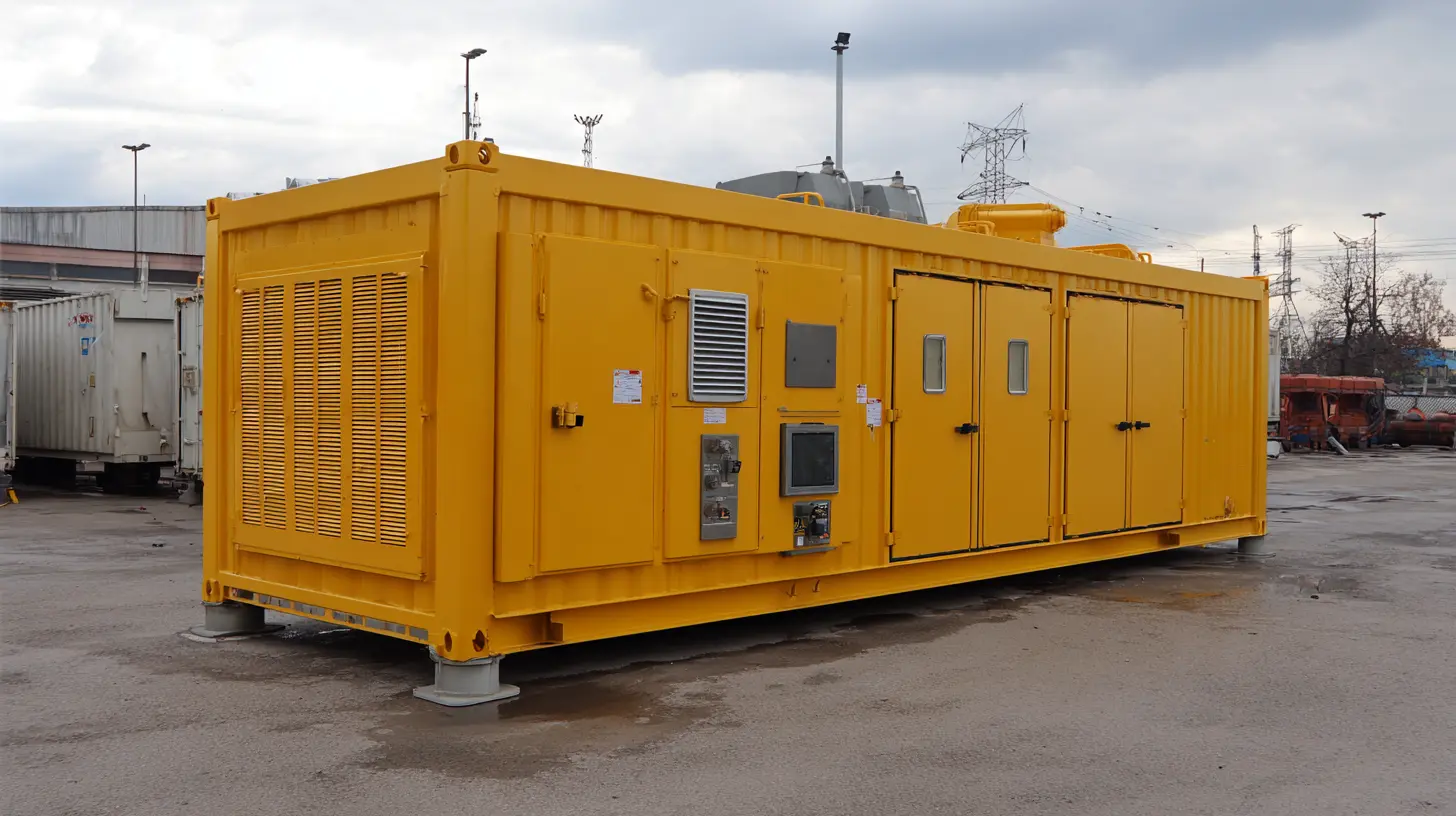
Emergency power generators are used to produce electricity and differ in terms of control and operating modes.
In the following article, we will explain which types of emergency generators exist and how they work.
Emergency generator – brief explanation
What is an emergency generator? An emergency generator (also known as a backup power generator or mobile emergency power system) is a device that produces electricity when the regular power supply fails—for example, during a power outage.
Emergency generators differ based on the type of energy they provide. The most common backup power units are:
• Diesel or gasoline-powered emergency generator (internal combustion engine): Liquid fuel is stored in a tank, making it reliably available for the generator.
• Gas-powered emergency generator: Gas turbines are often used to operate generators, especially in larger industrial facilities.
• Battery-powered emergency generators: Rechargeable batteries or accumulators are often used in combination with an inverter. However, these devices usually offer limited backup time and are not always used as primary emergency generators.
• Combination of batteries and internal combustion engines: In case of a power outage, batteries initially provide power, while the engines start shortly afterward.
• Inverter emergency generator: With inverter technology, the internal combustion engine and generator operate independently, allowing them to run at different frequencies. The generator can adjust engine speed based on the required power (partial load operation), resulting in quieter performance and lower fuel consumption. If you want to be independent in terms of energy supply and are looking for a generator for home use, you can choose a mini emergency generator. A single-family home generator produces electricity for personal needs and can also be used, for example, during camping or on land plots.
Function of an emergency generator
The function of emergency power systems can be explained quickly, as an emergency generator consists of only two main components: an internal combustion engine (drive) and a generator (power producer). When the engine drives the generator, the latter produces voltage that is delivered to the user via a socket.
Regardless of whether the emergency generator runs on diesel or gas, its role in emergencies such as power outages is to generate electricity for as long as possible. However, there is no universal answer to how long it can do this. This depends, for example, on the fact that smaller, compact models have smaller fuel tanks compared to larger generator units. Some generators also consume more fuel than others. Models with inverter technology have the advantage of optimally adjusting speed downward, which results in lower fuel consumption.
How much power should an emergency generator have? Of course, the type of devices you want to operate also affects the required power. It is not possible to give a general answer to how much power a generator should have. For example, there is a significant difference between operating a 100-watt radio and a 1500-watt electric heater. To narrow down the power class, it is important to carefully consider what you want to use the generator for before purchasing it. It is advisable to plan a 20–30% “buffer” increase in output. After all, generators that provide more power than needed not only run more quietly but also have a longer service life.
Operation and testing of emergency power systems
How to connect an emergency generator? In any case, installation in the meter box should be carried out by a qualified electrician. Once the distribution box is prepared for generator operation, non-professionals can begin operation. Connecting an emergency generator is usually quick and easy. During operation, it is only necessary to ensure that the main fuse is switched off.
In addition, consumers should not be switched on all at once, but one after another.
Most small emergency generator units do not require grounding, meaning the electrical current does not need to be discharged into the ground via a grounding terminal. This is because no dangerous touch current is generated during operation—even if contact occurs between active conductors and the generator housing. Grounding is only required if there is a risk of electrostatic charging. This may occur if power is supplied to a fixed installation or if fuel is pumped through hoses.
Costs of an emergency generator
The price of a mobile power generator largely depends on individual requirements. In addition to the type and number of devices to be powered, fuel also plays an important role in pricing. For example, gasoline generators are relatively inexpensive to purchase, while diesel generators are more durable.
In addition, the price is influenced by the required accessories. If the generator is installed outdoors, a soundproof enclosure is needed to protect the device and reduce noise. Indoor generators must be equipped with an exhaust hose that safely directs emissions outside.
Furthermore, how much fuel a generator consumes—and the resulting cost—depends on various factors. How much does an emergency generator consume? The main determining factor is the type of fuel: diesel generators are more economical than gasoline generators. It is also worth choosing a generator that can operate under partial load, as it consumes less fuel during such operation.
To find the most cost-effective emergency generator that meets 100% of your needs, it is advisable to consult a specialist.
Conclusion
Emergency generators maintain power supply in emergencies and therefore play an important role both in industry and in private households. How long a backup power system can generate electricity and how much fuel it consumes depends on the size and performance of the model, as well as the type of consumer.
 Fill in the required fields and you will be contacted soon