


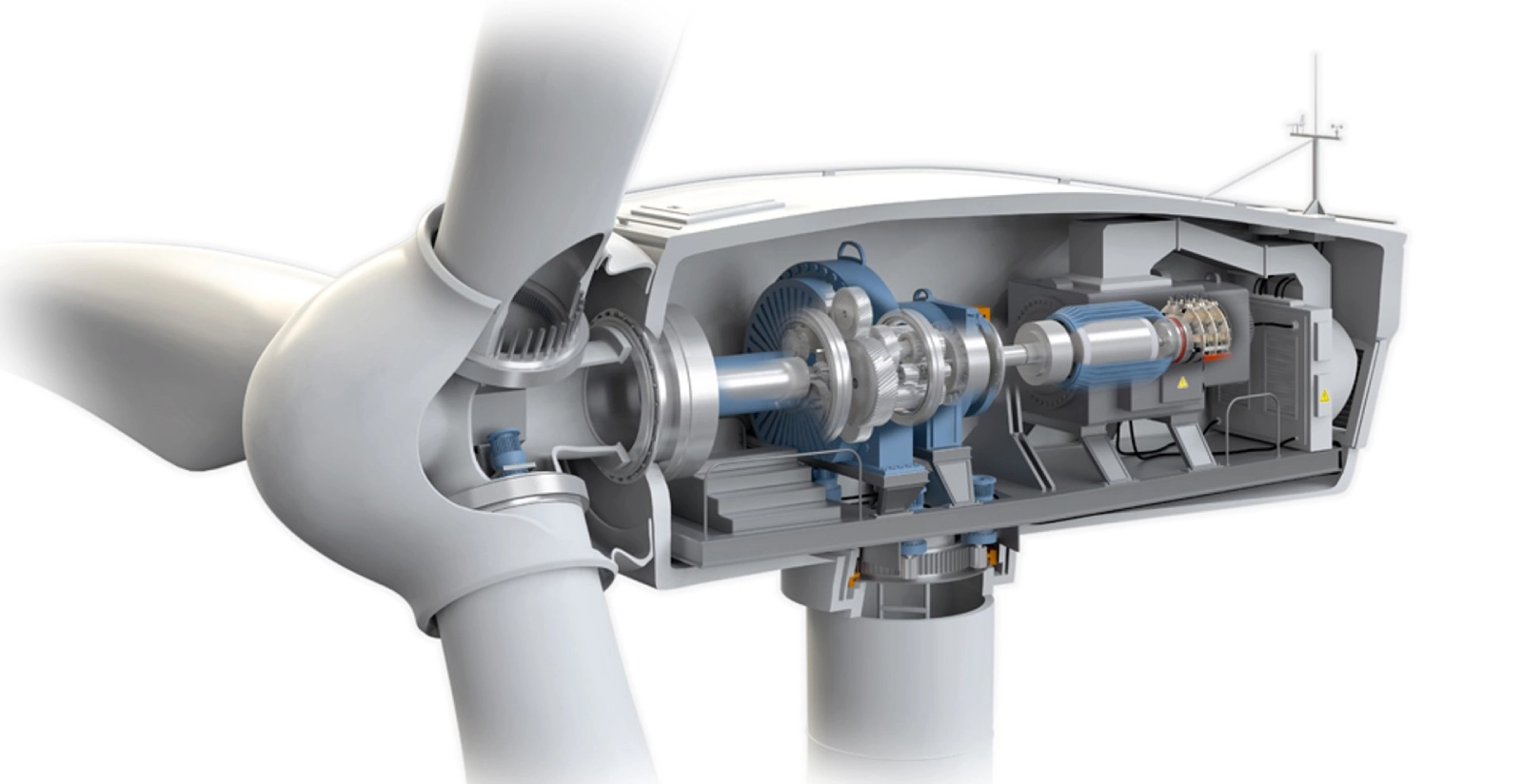
Generators
Generators are useful devices that provide electrical energy without being connected to the power grid. They can serve as backup power sources for workplaces, homes, and businesses, and keep essential systems running during power outages. But how do generators work?
Simply put, generators work by converting mechanical energy into electrical energy using an engine, an alternator, and an external fuel source. Modern generators operate based on the principle of electromagnetic induction. This term was introduced by Michael Faraday when he discovered that a conductor moving within a magnetic field can generate and direct electrical charges.
Understanding how generators work can help identify problems, perform regular maintenance, and choose the right generator for your specific needs. In this guide, we will take a step-by-step look at the main components of a generator and how they function.
In Azerbaijan, power outages occur from time to time, and generators provide an essential solution for homes and workplaces. Below, the main types of generators, their advantages, and disadvantages are explained according to the conditions in Azerbaijan.
8 Main Components of a Generator
Modern electric generators may vary in size and application, but their internal working principle is generally the same. The main components of an electric generator include the following:
•Frame: The frame houses and supports the components of the generator. It allows people to operate the generator safely and protects it from damage.
•Engine: The engine provides the mechanical energy that is converted into electrical output. The size of the engine determines the maximum power output and it can operate using different types of fuel.
•Alternator: The alternator consists of additional components that work together to produce electrical output. These include the stator and rotor, which are responsible for creating a rotating magnetic field and generating alternating current (AC).
•Fuel System: Generators are equipped with an internal or external fuel tank that supplies fuel to the engine. The fuel tank is connected through supply and return pipes and usually contains gasoline or diesel.
•Exhaust System: Diesel and gasoline engines emit exhaust gases that contain toxic chemicals. The exhaust system safely directs and disposes of these gases through a pipe made of iron or steel.
•Voltage Regulator: This component is responsible for regulating the generator’s output voltage. The voltage regulator initiates the process of converting AC current into AC voltage when the generator drops below its operating level and stabilizes once it reaches the required performance level.
•Battery Charger: Generators use a battery to start. The battery charger is responsible for charging the battery by supplying exactly 2.33 volts per cell.
•Control Panel: The control panel is located on the exterior of the generator and consists of multiple gauges and switches. Features may vary depending on the generator, but the control panel typically includes a starter, engine control devices, and a frequency switch.
Conclusion
Generators are essential devices that provide a reliable solution against power outages. Each of their components – from the engine to the control panel – ensures the proper and safe operation of the generator. Understanding how a generator works and its main parts allows for better selection, maintenance, and efficient use of the device. Getting to know generators more closely is a significant advantage for ensuring energy security in homes and workplaces.
 Fill in the required fields and you will be contacted soon